

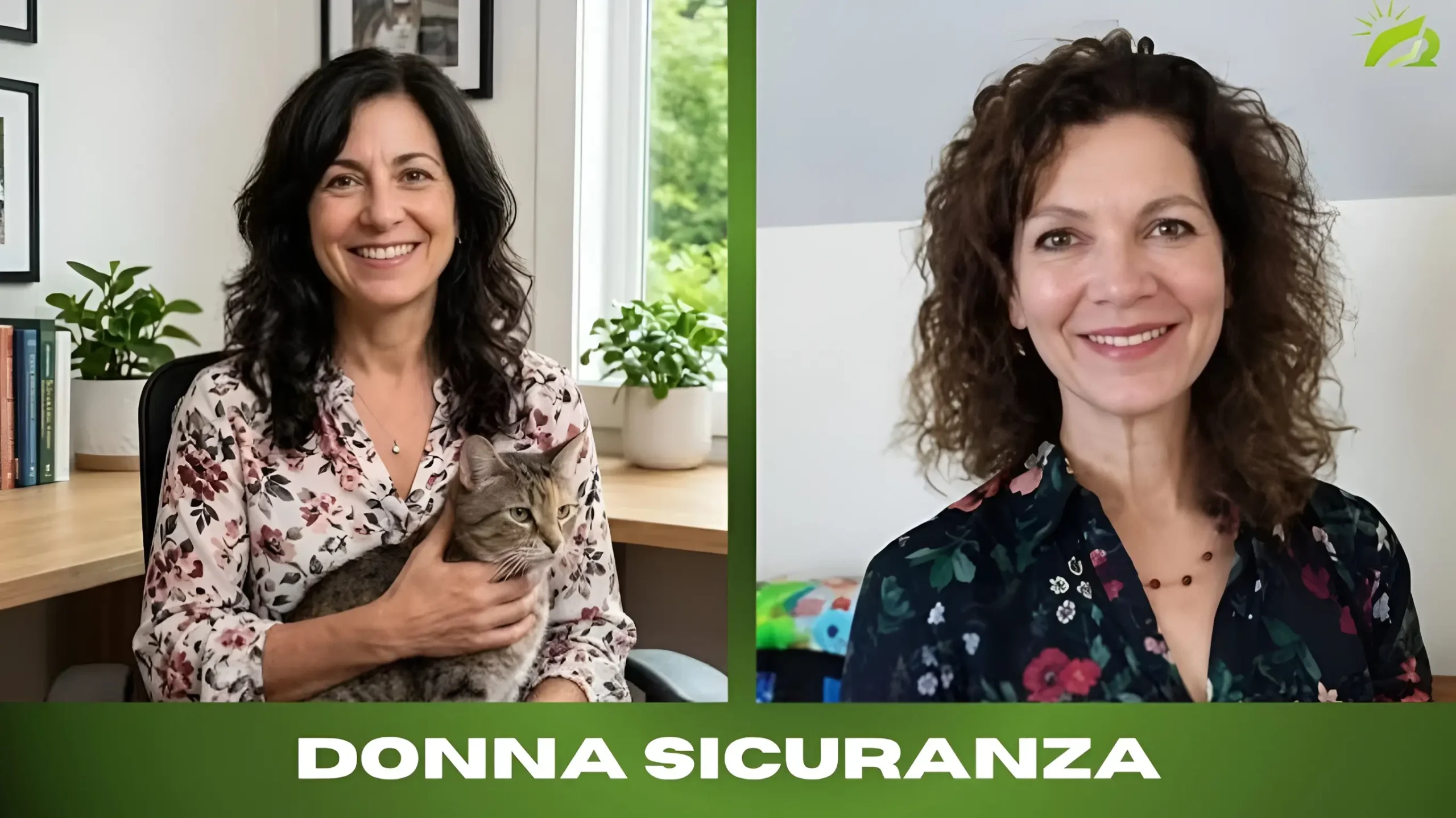
Not every influential person becomes widely known through television appearances, bestselling books, or public recognition. Some build their professional lives around practical problems that rarely attract national attention but deeply affect the communities they serve. Donna Sicuranza belongs to the latter category. Her name is associated with animal welfare, nonprofit leadership, and an enduring effort to make essential veterinary services more accessible to cat owners and caregivers in Connecticut.
Best known for her connection with Tait’s Every Animal Matters (TEAM), Donna Sicuranza has been involved in an organization that approaches animal welfare through prevention rather than relying entirely on rescue after a problem has developed. The organization’s work addresses an important challenge: helping domestic and community cats receive appropriate veterinary care while reducing unwanted litters and the pressures associated with feline overpopulation.
Her professional story offers a useful perspective on nonprofit management. Animal welfare programs require more than compassion. They depend on careful planning, experienced veterinary professionals, responsible financial decisions, community participation, and the ability to maintain services over time.
There is also an important distinction to understand when researching her background. The name Donna Sicuranza appears in connection with more than one individual, and not every biography or personal detail found online belongs to the same person. For readers interested in the Connecticut animal-welfare executive, her association with TEAM provides the clearest starting point.
This article examines Donna Sicuranza’s professional identity, the history and purpose of TEAM, the importance of mobile veterinary services, and the broader lessons that can be drawn from a long-running community-focused organization. It also addresses questions about her personal background and includes practical case-study scenarios illustrating the challenges that animal welfare programs are designed to address.
Who Is Donna Sicuranza?
Donna Sicuranza is an American nonprofit professional recognized for her long-standing association with Tait’s Every Animal Matters, a Connecticut animal-welfare organization commonly known as TEAM. The organization’s public staff information identifies her as Donna Sicuranza Marconi and lists her as Executive Director.
Her professional identity is closely connected with TEAM’s mobile feline spay and neuter program, which was developed to make preventive veterinary care more accessible to communities throughout Connecticut.
Unlike public personalities whose biographies focus on entertainment, social media, or financial success, Sicuranza’s documented professional background centers on an organization with a defined community-service mission. Her work is associated with efforts to address cat overpopulation, improve access to veterinary services, and support people who care for domestic and free-roaming cats.
An important aspect of her professional story is its duration. TEAM’s mobile clinic began operating in 1997, following planning undertaken in 1996 under the direction of veterinarian Dr. John A. Caltabiano and Executive Director Donna Sicuranza. Her name is therefore connected with the program’s early development, not simply its later administration.
That history provides a meaningful foundation for understanding her career. Running a nonprofit program over an extended period involves balancing service delivery with changing community needs, financial considerations, staffing requirements, and public expectations.
Donna Sicuranza’s significance lies primarily in this sustained association with a focused animal-welfare mission. Her professional story demonstrates why community organizations can deserve attention even when the people helping lead them maintain relatively modest public profiles.
Donna Sicuranza Biography: A Professional Overview
A useful biography should begin with the information that can be responsibly established rather than filling gaps with assumptions.
| Profile Detail | Information |
|---|---|
| Commonly known as | Donna Sicuranza |
| Professional name also used | Donna Sicuranza Marconi |
| Profession | Nonprofit executive |
| Organization | Tait’s Every Animal Matters (TEAM) |
| Publicly listed position | Executive Director |
| Professional field | Animal welfare |
| Associated location | Westbrook, Connecticut |
| Notable program | TEAM Mobile Feline Spay/Neuter Clinic |
| Main professional focus | Accessible veterinary care and feline population management |
| Exact age and birth date | Not reliably established |
| Verified net worth | Not publicly established |
These details provide a clearer understanding of her public professional identity without treating unconfirmed personal information as fact.
A distinction also exists between working in veterinary medicine and administering an organization that provides veterinary services. Executive leadership involves organizational planning, financial oversight, external relationships, and operational coordination, while licensed veterinarians and qualified clinical personnel are responsible for medical decisions and procedures.
Recognizing these different responsibilities helps explain why nonprofit executives play an important role in animal welfare even when they are not themselves providing clinical treatment.
Donna Sicuranza and Tait’s Every Animal Matters
To understand Donna Sicuranza’s career, it is necessary to examine the organization most closely connected with her professional life.
Tait’s Every Animal Matters is a nonprofit organization headquartered in Westbrook, Connecticut. Its mission is centered on helping cats and their caretakers through accessible preventive veterinary services.
The organization’s best-known initiative is a mobile feline clinic that travels to different Connecticut communities, providing spay and neuter procedures and related services. Rather than expecting every pet owner or caregiver to reach a single permanent clinic location, the mobile approach brings veterinary resources into multiple communities.
This service model addresses a problem that extends beyond the availability of veterinary professionals. Access can also depend on affordability, transportation, appointment availability, geographic distance, and the ability of caregivers to arrange care for animals that may be difficult to handle.
TEAM’s work is particularly relevant because feline overpopulation is not simply an issue of individual pet ownership. It can involve shelters, rescue groups, community cat caregivers, and neighborhoods where unsterilized cats continue reproducing.
A successful response requires cooperation among different participants, including animal owners, veterinarians, nonprofit employees, volunteers, donors, and community organizations.
Within this setting, the executive director helps provide organizational continuity and administrative direction. The role supports the practical systems that allow a service-focused mission to function consistently.
TEAM’s long-running mobile clinic gives Donna Sicuranza’s professional biography a concrete context. Instead of discussing leadership only in abstract terms, readers can examine the operational challenges and community needs associated with the organization.
How TEAM’s Mobile Veterinary Program Began
The history of TEAM’s mobile clinic helps explain why the organization chose a service model that differed from a conventional veterinary facility.
During the program’s planning period in 1996, veterinarian Dr. John A. Caltabiano and Executive Director Donna Sicuranza were involved in developing the mobile clinic initiative. The program began operating on March 1, 1997.
The central idea was practical: if cost and accessibility prevented people from obtaining spay and neuter services for cats, an affordable program that traveled to communities could help reduce those obstacles.
That approach represented a meaningful change in how preventive veterinary care could be delivered.
A fixed-location veterinary practice generally requires clients to arrange transportation to a particular address. A mobile program can organize visits around different communities and reach a broader geographic area without requiring a permanent surgical facility in each location.
However, a mobile clinic also creates its own operational requirements. Equipment, staffing, sanitation, scheduling, animal handling, medical supplies, and postoperative care must be coordinated within a limited physical environment.
Developing such a service is not simply a matter of placing veterinary equipment inside a vehicle. It requires a suitable clinical workflow and clear procedures for evaluating animals, delivering care, and communicating with owners.
These considerations help explain the complexity of the organizational setting in which Donna Sicuranza has worked.
TEAM’s continuation also illustrates a broader principle of nonprofit service delivery: a promising idea becomes valuable only when an organization can translate it into a dependable operation.
Launching a program requires initiative. Maintaining it requires systems that remain workable long after the initial enthusiasm has passed.
Why Donna Sicuranza’s Work Is Associated With Animal Welfare
Animal welfare is a broad field that includes rescue operations, shelter management, veterinary treatment, public education, animal protection, and responsible ownership initiatives.
Donna Sicuranza’s professional connection with animal welfare is more specifically associated with preventive feline care and the administrative leadership of TEAM.
This distinction matters because different animal-welfare organizations address different stages of a problem.
A rescue organization may focus on animals that have already been abandoned or injured. A shelter may provide temporary accommodation and adoption services. A preventive veterinary program attempts to address some of the circumstances that can contribute to larger animal-welfare challenges.
Spaying and neutering are important components of population management because they prevent reproduction in treated animals. Vaccination services, meanwhile, form part of broader preventive healthcare when provided according to veterinary assessment and appropriate schedules.
Neither service eliminates every problem affecting cats. Animals still require suitable nutrition, safe living conditions, regular observation, and veterinary attention when they become ill or injured.
Nevertheless, preventive services can form an important part of a coordinated response to feline welfare concerns.
The work associated with TEAM is especially relevant to communities where the costs and practical challenges of obtaining veterinary care may discourage timely action.
By concentrating resources on specific services, a nonprofit can develop a clear operational purpose and communicate its value to the people most likely to need assistance.
Donna Sicuranza’s professional association with that mission gives her biography a distinctive focus: the organizational side of making animal care more accessible.
The Responsibilities of Nonprofit Leadership
The title of Executive Director carries substantial responsibilities in most nonprofit organizations, although the precise duties depend on the organization’s structure, governing board, staffing arrangements, and internal policies.
For a veterinary-service nonprofit, these responsibilities may include overseeing budgets, coordinating administrative activities, maintaining community relationships, supporting fundraising, and helping ensure that the organization’s operations remain aligned with its mission.
It is important not to assume that every such responsibility has been individually performed by Donna Sicuranza without direct documentation. However, understanding the executive-director role provides useful context for the work involved in maintaining an organization like TEAM.
Organizational Planning
Nonprofit planning begins with defining what an organization can realistically accomplish. Limited resources make priorities essential.
A program serving cats across different communities must consider appointment demand, staff availability, travel requirements, equipment maintenance, and the sustainability of its services.
Planning becomes particularly important when demand exceeds capacity. Attempting to meet every request immediately may create operational pressure, while overly restrictive service availability can leave people without practical options.
Effective organizational planning seeks a workable balance between community needs and the resources required to address them responsibly.
Financial Sustainability
Animal-welfare services require money even when an organization operates as a charity.
Veterinary equipment, medications, medical supplies, insurance, vehicle maintenance, administrative support, and professional staffing all create costs.
Donations can help support operations, but nonprofit leaders must also consider how to maintain financial stability during periods when contributions fluctuate.
Financial sustainability is therefore closely connected to animal welfare. Without adequate resources, even a valuable program may struggle to continue providing services.
Community Communication
A nonprofit’s relationship with the public influences whether people understand and use its services.
Clear communication helps animal owners learn about appointments, eligibility, costs, preparation requirements, and available programs. It also helps supporters understand the organization’s purpose.
For a mobile clinic, communication is especially important because schedules and service locations may vary.
Long-Term Continuity
One of the less visible challenges in nonprofit leadership is maintaining consistency.
Programs can be disrupted by staffing changes, equipment problems, rising costs, or shifts in community demand.
Long-term continuity requires procedures that do not depend entirely on one person’s memory or daily involvement. It involves maintaining records, developing reliable processes, and supporting a team capable of delivering services consistently.
These responsibilities explain why administrative leadership is an essential part of any nonprofit providing practical veterinary services.
What Makes a Mobile Feline Clinic Different?
A mobile feline clinic combines elements of veterinary medicine, community outreach, and logistical planning.
Its defining characteristic is mobility. Rather than operating exclusively from a permanent location, the clinic travels to scheduled sites where eligible animals can receive designated services.
This model can be useful in areas where residents face transportation difficulties or where affordable surgical services are concentrated in relatively few locations.
However, convenience is only one part of its purpose.
A mobile program also creates an opportunity to organize preventive care around a clearly defined set of procedures. By focusing on selected services, the team can establish a structured workflow appropriate to its staffing and equipment.
TEAM’s services include feline spay and neuter procedures, vaccinations, and other limited preventive-care options. The organization provides information about appointment requirements and medical eligibility, which owners should confirm directly before scheduling.
A mobile clinic should not automatically be viewed as a substitute for a full-service veterinary hospital.
Cats may require additional diagnostic testing, emergency treatment, advanced imaging, hospitalization, or management of complex medical conditions. Those needs can exceed the scope of a specialized mobile program.
The most appropriate model is therefore complementary rather than competitive. Mobile preventive-care services can help address specific needs, while established veterinary practices remain important for comprehensive and ongoing healthcare.
This relationship is an important part of understanding TEAM’s place within Connecticut’s broader animal-care environment.
Why Affordable Veterinary Care Matters
The cost of veterinary treatment influences how animal owners make decisions.
Even people who care deeply about their pets may face financial limitations, particularly when supporting multiple animals or dealing with unexpected household expenses.
Preventive care can become difficult to prioritize when families are managing housing costs, transportation, food, and other essential commitments.
The challenge becomes even greater for individuals who care for stray or community cats. These caregivers may voluntarily provide food, shelter, and basic assistance to animals they do not formally own.
Without affordable veterinary options, people may delay sterilization or struggle to arrange care for multiple animals.
Programs such as TEAM address part of this challenge by offering a specialized service model.
Affordability must still be considered alongside medical safety, professional qualifications, and the suitability of a procedure for an individual animal.
A low-cost service is not automatically the best option for every situation. Owners should understand what is included, what additional charges may apply, and whether their cat has health conditions requiring attention from a regular veterinarian.
The broader goal is to reduce preventable obstacles without compromising responsible medical decision-making.
This is one reason Donna Sicuranza’s association with an affordable mobile veterinary initiative is professionally significant. The program connects the mission of animal welfare with practical questions about how people obtain care.
The Importance of Spaying and Neutering Cats
Spaying and neutering prevent treated cats from producing offspring.
This makes sterilization an important tool for managing reproduction among domestic and free-roaming cat populations.
When cats reproduce without an appropriate plan for the care of their offspring, caretakers may struggle to find suitable homes. Shelters and rescue organizations can also experience pressure when large numbers of animals require assistance.
Preventing unwanted litters can reduce some of these challenges before they arise.
The decision to sterilize an individual cat should nevertheless involve appropriate veterinary guidance. Age, health, reproductive status, and other medical considerations can affect the timing and suitability of surgery.
Owners should not assume that every cat is an appropriate surgical candidate simply because a service is available.
Vaccinations are another relevant part of preventive care. They help protect animals against selected infectious diseases when administered according to veterinary recommendations and applicable requirements.
The combination of preventive services and accessible appointments can encourage responsible ownership by making essential care easier to arrange.
For community cats, sterilization may also form part of an organized population-management strategy.
Effective feline welfare requires more than one intervention, but the prevention of unwanted reproduction remains a central component of TEAM’s mission.
Donna Sicuranza and the Challenge of Feline Overpopulation
Feline overpopulation is a complex community issue because cats exist in several different living situations.
Some live entirely indoors with individual owners. Others move between indoor and outdoor environments. Stray cats may have previously lived with people, while feral cats can be difficult to handle because they have had limited positive human contact.
These categories affect how caregivers approach veterinary treatment.
A socialized house cat may be transported in a secure carrier and handled relatively easily by trained staff. A feral cat may require humane trapping and specialized handling procedures to protect both the animal and the people assisting it.
Population-management efforts must account for these differences.
A single sterilization appointment addresses reproduction in one animal. A larger community initiative considers how multiple animals, caregivers, and locations can be managed over time.
This may require coordination between residents, rescue volunteers, veterinary professionals, and organizations that can provide services.
The process can be complicated by incomplete information. Caregivers may not know the reproductive status of every cat in a colony, and newly abandoned or migrating animals can change the situation.
Long-term management therefore requires continued observation rather than assuming that one intervention permanently resolves every concern.
TEAM’s involvement with domestic and feral cats places its work within this wider community context.
Understanding these challenges helps readers appreciate why the organizational work associated with Donna Sicuranza extends beyond administering appointments.
Community Cats and Trap-Neuter-Return Programs
One important approach to managing free-roaming cat populations is Trap-Neuter-Return, commonly abbreviated as TNR.
Under this model, community cats are humanely trapped, transported for veterinary assessment and sterilization, and returned to an appropriate location when medically suitable and consistent with relevant local rules and welfare considerations.
The approach is intended to prevent further reproduction while allowing cats that cannot readily adapt to indoor living to remain under suitable community-care arrangements.
TNR programs may also include vaccination, identification methods, and continued monitoring by caregivers.
However, implementation requires careful judgment. Cats that are sick, injured, unusually young, or otherwise vulnerable may need different treatment or placement.
The suitability of returning a cat also depends on local conditions, legal requirements, environmental risks, and the availability of responsible caregivers.
Successful community-cat management is therefore not simply a matter of trapping and releasing animals. It requires planning, safe handling, medical oversight, and ongoing responsibility.
TEAM supports TNR and provides services for eligible feral cats, making this aspect of feline welfare relevant to the organization’s broader mission.
For readers exploring Donna Sicuranza’s professional background, this illustrates the range of practical considerations involved in the work of a nonprofit focused on accessible feline care.
Case Study 1: A Family Facing Financial Barriers to Preventive Cat Care
Illustrative case study: This hypothetical example demonstrates a common animal-care challenge. It is not a documented account of a particular TEAM client.
Consider a family that adopts a young cat from a neighbor who can no longer provide care.
The family is committed to responsible ownership, but its household budget is limited. The cat requires an initial veterinary assessment, appropriate vaccinations, and a discussion about the timing of sterilization.
A conventional veterinary appointment is available, but the family is concerned about the total cost of arranging several services.
Instead of ignoring the need for preventive care, the family researches specialized veterinary programs operating within its state.
A mobile clinic appears to offer some of the services required, although the family must first confirm eligibility and the animal’s suitability for treatment.
The owners contact the organization, explain the cat’s age and medical history, and ask what procedures are available.
They also request clarification about appointment preparation, transportation, potential additional fees, and postoperative responsibilities.
After receiving appropriate veterinary guidance, the family can decide whether a specialized clinic or a regular veterinary practice is better suited to the cat’s needs.
What This Example Demonstrates
The central issue in this case is not a lack of concern for the animal. It is the practical difficulty of arranging appropriate care within financial constraints.
A specialized service can create an additional option for owners who might otherwise postpone preventive treatment.
However, the value of that option depends on transparent information and proper medical screening.
The example also shows that affordable services work best when they encourage informed decisions rather than presenting lower prices as the only consideration.
For organizations operating in the space associated with Donna Sicuranza’s work, accessibility and responsible care must remain connected.
Case Study 2: Managing a Small Community Cat Colony
Illustrative case study: The following scenario is hypothetical and should not be interpreted as a verified TEAM project.
Imagine a neighborhood where several free-roaming cats regularly gather near a group of residential buildings.
Residents have different opinions about the situation.
Some provide food, while others worry about noise, sanitation, wildlife interactions, and the possibility of additional kittens.
A volunteer caregiver notices that the number of cats appears to be changing and decides to explore humane population-management options.
Rather than attempting to relocate the animals without a plan, the caregiver seeks guidance from an animal-welfare organization.
The first challenge is understanding the group.
Which animals appear socialized? Are any cats visibly ill or injured? Are there kittens requiring special attention? Is someone already providing veterinary care?
The caregiver then investigates whether a TNR program is appropriate and what local regulations apply.
If suitable, a coordinated plan could involve humane trapping, veterinary assessment, sterilization, vaccination where appropriate, and return or alternative placement based on each cat’s needs.
Continued observation would still be necessary.
A newly arriving cat could require attention, and residents would need a practical way to communicate concerns.
What This Example Demonstrates
Community-cat management depends on cooperation as much as veterinary intervention.
The presence of several animals creates questions that cannot always be answered through a single appointment.
Successful planning must consider animal welfare, neighborhood concerns, local rules, and the responsibilities of caregivers.
This hypothetical situation illustrates why nonprofits focused on feline population management need both clinical partnerships and strong community communication.
The organizational mission associated with Donna Sicuranza is relevant to these challenges because TEAM’s services include eligible feral cats.
Case Study 3: A Rural Resident Seeking Accessible Veterinary Services
Illustrative case study: This scenario is an educational example, not a documented patient story.
Consider a cat owner living in a community where specialized veterinary services are not located nearby.
The owner has access to a vehicle but must coordinate work obligations, family responsibilities, and travel expenses.
The cat is healthy and due for a discussion about sterilization.
A veterinary clinic in another town can provide the service, but arranging the appointment requires considerable planning.
The owner discovers that a mobile veterinary program periodically visits a more convenient location.
This option may reduce travel time, although it does not remove the need to arrange transportation, follow medical instructions, or provide appropriate postoperative care.
Before booking, the owner checks the clinic’s current service area, eligibility criteria, available procedures, and appointment requirements.
The owner also considers what would happen if the veterinarian determines that the animal needs additional diagnostics or cannot safely undergo surgery that day.
Having a regular veterinary practice available for ongoing care remains important.
What This Example Demonstrates
Access to veterinary services involves more than the distance between a household and a clinic.
Appointment availability, work schedules, transportation reliability, and medical suitability all influence whether treatment is practical.
Mobile services can address some of these barriers by bringing selected procedures closer to communities.
However, the best results depend on clear expectations about the limits of mobile care and the importance of follow-up when needed.
This example highlights the practical value of the service model connected with TEAM without assuming that mobility alone solves every veterinary-access problem.
What These Three Case Studies Reveal
Although the scenarios involve different circumstances, they share one central theme: people can face obstacles to responsible animal care even when they recognize its importance.
The first case focuses on household affordability. The second highlights community coordination. The third examines geographic and scheduling barriers.
Each problem requires a different response, but all benefit from accessible information and appropriately designed services.
Several practical lessons emerge:
- Accessibility matters: Services should be organized with realistic consideration for the people expected to use them.
- Medical judgment remains essential: Cost and convenience must never replace qualified veterinary assessment.
- Community cooperation supports progress: Animal-welfare concerns often involve multiple stakeholders rather than a single owner.
- Clear communication prevents confusion: Caregivers need to understand eligibility, preparation, treatment limitations, and aftercare.
- Long-term planning is necessary: Preventive interventions are most useful when supported by continued responsible care.
These principles provide a useful framework for evaluating community veterinary initiatives.
They also explain why the executive leadership of a service-oriented nonprofit can influence the organization’s ability to maintain its mission over time.
Measuring Success in Animal Welfare Organizations
Nonprofit organizations often describe their work in terms of the number of animals served.
Service volume can be informative, but it does not provide a complete picture of organizational effectiveness.
For a program like a mobile feline clinic, evaluation should consider both the delivery of veterinary services and the quality of the systems supporting them.
One question is whether services reach the intended population. An organization may complete many appointments while still finding that some communities face substantial access barriers.
Another consideration is continuity. A program must maintain qualified staffing, appropriate equipment, reliable scheduling, and the ability to respond to operational problems.
Financial stability is equally important.
A nonprofit that expands rapidly without adequate support may encounter difficulties maintaining its commitments.
From an organizational perspective, useful performance indicators can include appointment accessibility, resource utilization, financial sustainability, client communication, and compliance with relevant veterinary requirements.
Medical outcomes should be assessed through appropriate clinical oversight rather than assumptions based on the number of procedures performed.
Community feedback can provide additional context, particularly when caregivers identify obstacles that administrative staff may not immediately recognize.
The broader lesson is that meaningful progress requires more than visible activity.
Reliable service delivery is built through operational systems that can be maintained and improved.
Donna Sicuranza’s long-standing association with TEAM makes these questions relevant to understanding the nonprofit setting in which her career has developed.
The Relationship Between Veterinary Professionals and Nonprofit Administrators
A successful animal-welfare organization depends on people with different areas of expertise.
Veterinarians provide clinical judgment and perform medical procedures within their professional scope. Veterinary technicians support patient care according to their qualifications, supervision requirements, and applicable rules.
Administrative staff coordinate appointments, communication, records, and other practical matters necessary for the organization to function.
Executive leadership supports the broader operational structure.
These responsibilities are interconnected but should not be confused.
An executive director may help oversee organizational policy and resources, but medical judgments concerning an individual animal must remain with qualified veterinary professionals.
This separation is especially important when an organization provides surgical services.
Maintaining professional boundaries contributes to responsible decision-making and clearer accountability.
It also illustrates why effective nonprofit management is collaborative.
An organization cannot provide dependable medical services through administrative planning alone. Equally, veterinary expertise requires adequate facilities, equipment, scheduling, and organizational support to reach the intended community.
TEAM’s operating model brings these responsibilities together within a specialized mobile service.
The association between Donna Sicuranza and the organization’s veterinary team provides a practical example of the different professional roles involved in delivering community-oriented care.
Common Misunderstandings About Animal Welfare Leadership
Public discussions about animal welfare sometimes simplify the responsibilities of organizations and their leaders.
One common misunderstanding is that passion for animals is sufficient to operate a successful nonprofit.
Compassion provides motivation, but veterinary services also require professional expertise, legal compliance, financial resources, and careful administration.
Another misconception is that a mobile clinic can perform every procedure available in a full-service veterinary hospital.
Specialized clinics operate within defined clinical capabilities. Animals requiring more complex treatment may need referral to another veterinary provider.
People may also assume that reducing the cost of services means reducing standards of care.
Cost and quality are separate considerations. A service should be evaluated according to the qualifications of its providers, medical procedures, safety practices, and transparency about its limitations.
A further misunderstanding is that preventing unwanted litters automatically resolves every problem affecting community cats.
Population management can contribute to welfare objectives, but injured animals, inadequate shelter, disease risks, and environmental conditions may require additional attention.
Recognizing these distinctions helps readers form a more realistic understanding of nonprofit animal-welfare work.
It also provides a useful framework for evaluating the professional environment associated with Donna Sicuranza.
Donna Sicuranza’s Educational Background and Early Life
Public interest in a person’s professional career often extends to education, childhood, and early influences.
In Donna Sicuranza’s case, reliable information about her personal upbringing and full educational history is limited.
Professional references have associated her with communications-related experience, and some biographical accounts mention higher education. However, specific academic qualifications should not be treated as established without appropriate confirmation.
Her documented association with TEAM provides a stronger foundation for discussing her public professional identity than speculation about her childhood or personal motivations.
It would be inappropriate to invent stories about early experiences with animals, family encouragement, or a particular event that supposedly inspired her career.
Such details can make a biography appear more dramatic, but without reliable documentation they may misrepresent the person being discussed.
An accurate professional profile does not require every private detail to be available.
Instead, it can focus on the responsibilities, organizations, and initiatives that define the subject’s public work.
For Donna Sicuranza, the development and continuation of TEAM’s mobile feline clinic offer a more substantial basis for understanding her professional contribution.
Donna Sicuranza’s Personal Life, Family, and Relationships
Information about Donna Sicuranza’s personal life is less extensively documented than her professional association with TEAM.
Readers searching for family background, marital status, children, or other private details should be cautious about claims found on general biography websites.
The appearance of the professional name Donna Sicuranza Marconi does not, by itself, establish the circumstances surrounding any name change or prove a current marital relationship.
Similarly, a shared surname between individuals working at an organization does not automatically establish a particular family connection.
Names and personal relationships should be presented accurately rather than inferred from incomplete records.
For a nonprofit executive whose public recognition is connected primarily with community service, the absence of extensive personal information is not unusual.
Professional contributions can be discussed meaningfully without exposing unnecessary private details.
This is particularly important when multiple individuals share similar names.
A biography that combines unrelated family histories may create confusion and unfairly attribute personal circumstances to the wrong person.
Is Donna Sicuranza the Same Person as Donna Marie Sicuranza?
An important clarification is necessary because searches for Donna Sicuranza can return information about two different women.
Donna Sicuranza Marconi is professionally associated with TEAM in Connecticut.
Donna Marie Sicuranza was a New York woman whose life and career were connected with family and banking. She died in March 2017.
The distinction is supported by their different professional records and personal histories.
Donna Marie Sicuranza worked at the Bank of New York in Bronxville and was married to Angelo Sicuranza.
Those details should not be assigned to the Connecticut animal-welfare executive.
Likewise, TEAM’s history and leadership information should not be incorporated into a biography of the New York banking professional.
Confusing individuals with similar names can result in inaccurate claims about age, relationships, employment, and whether someone is deceased.
The most useful way to distinguish them is to identify the person’s professional and geographic context before interpreting additional information.
For readers researching animal welfare in Connecticut, Donna Sicuranza Marconi is the relevant individual.
For readers looking for an obituary or family history associated with New York, the available information may concern Donna Marie Sicuranza instead.
What Is Known About Donna Sicuranza’s Age?
An exact, reliably confirmed birth date for the TEAM executive is not established in the information available for this biography.
This means that publishing a specific age would require assumptions that may not be accurate.
Some online biographies estimate ages based on education dates, employment histories, or other indirect clues.
Such estimates should not be presented as confirmed personal facts.
The existence of another woman with a similar name makes unsupported age claims particularly problematic.
Donna Marie Sicuranza’s documented birth and death dates belong to her individual biography and should not be used to calculate the age of Donna Sicuranza Marconi.
For readers seeking dependable information, the appropriate answer is that the executive’s exact age has not been reliably confirmed here.
Donna Sicuranza Net Worth and Financial Background
Another common question about people appearing in online biographies concerns personal wealth.
There is no sufficiently reliable public information establishing Donna Sicuranza’s individual net worth.
A nonprofit executive’s position does not automatically reveal personal assets, investments, savings, or financial circumstances.
Even when an organization’s financial information is publicly available, its revenue and charitable resources are not the personal property of its executive director.
These are separate financial categories.
Attempting to calculate an individual’s wealth using general salary estimates or unrelated online figures would be speculative.
An accurate biography should therefore avoid publishing a fabricated net-worth range.
Donna Sicuranza’s documented professional story is more appropriately evaluated through her association with TEAM and the organization’s public mission than through unsupported claims about private finances.
Why TEAM’s Service Model Remains Relevant
Community needs change over time, but practical barriers to obtaining veterinary care remain important considerations.
A household may struggle with treatment costs, while another may have difficulty traveling to an appropriate provider.
Community-cat caregivers can face additional challenges because they may be responsible for coordinating care for several animals.
A mobile veterinary program offers one way to address some of these issues.
Its usefulness depends on how effectively it reaches eligible animals, maintains appropriate clinical standards, and communicates with the people using its services.
A long-running organization must also evaluate how its operating model responds to changing conditions.
Fuel costs, medical supply expenses, staffing requirements, and vehicle maintenance can all affect the practical delivery of mobile services.
Technology may help with appointment administration and public communication, but digital systems cannot replace the need for qualified medical personnel and safe treatment procedures.
Similarly, public awareness can encourage responsible ownership, yet educational efforts are most valuable when people have realistic options for acting on that information.
The continued relevance of mobile veterinary care therefore rests on the connection between awareness, accessibility, and professional service delivery.
TEAM’s history provides an example of an organization built around that connection.
The Importance of Public Trust in Nonprofit Work
Trust matters for any organization that accepts public support or provides services involving animal welfare.
People need confidence that the organization understands its responsibilities and communicates accurately.
For veterinary programs, trust begins with clear information about available services, eligibility requirements, medical limitations, and the qualifications of staff.
It also involves responsible handling of appointments, payments, medical records, and postoperative instructions.
Donors have additional reasons to value transparency.
They may want to understand how contributions support the organization’s activities and whether its work remains consistent with its stated mission.
Trust is strengthened when an organization avoids exaggerated promises and provides realistic explanations of what it can accomplish.
It is also supported by continuity and accountability.
These qualities are not always visible in a brief promotional description, but they influence how people experience an organization’s services.
For an executive associated with a long-running nonprofit, public confidence in the organization provides an important part of the professional context.
Donna Sicuranza’s public identity is strongly connected with TEAM, making the organization’s service standards and community relationships relevant to any assessment of her career.
Lessons From Donna Sicuranza’s Professional Story
Donna Sicuranza’s association with TEAM offers several broader lessons about community-focused nonprofit work.
The first is that a clearly defined mission can provide direction over an extended period.
Organizations that attempt to address every related social problem may struggle to allocate their resources effectively. A focused service model helps establish priorities and explain the purpose of the organization’s activities.
A second lesson concerns practical accessibility.
Identifying a community need is only the beginning. A successful response must consider how people will actually reach and use the service being offered.
A third lesson is the importance of professional collaboration.
Animal welfare initiatives require different kinds of expertise. Administrative direction, clinical judgment, financial support, and community participation each contribute to effective operations.
Another lesson is that long-term service requires adjustment.
Equipment ages, costs change, and communities develop new needs. Organizations must maintain their central purpose while responding to these practical realities.
Finally, the story illustrates that professional significance does not depend entirely on public recognition.
An individual may become closely associated with an important community initiative without maintaining the highly visible profile of a celebrity or political figure.
These observations help explain why a nonprofit executive’s career can provide meaningful insight into leadership and social responsibility.
How Connecticut Cat Owners Can Explore TEAM’s Services
Readers interested in TEAM’s veterinary services should begin by checking the organization’s current eligibility requirements and appointment information.
Because the mobile clinic travels to different communities, availability may vary by location and date.
Owners should also understand that the program provides designated services rather than every type of veterinary treatment.
Before making an appointment, it is helpful to prepare several questions:
- Is the cat eligible based on age, health, residence, and other applicable requirements?
- Which procedures and vaccinations are included in the appointment?
- Are there additional costs that may apply?
- What instructions must be followed before surgery?
- What transportation arrangements are required?
- When should the cat be collected after treatment?
- What postoperative care will the owner need to provide?
- Whom should the caregiver contact if a medical concern develops?
Answers should come from the veterinary organization or a qualified professional familiar with the cat’s circumstances.
Owners should not rely on outdated instructions or general advice when preparing an animal for anesthesia or surgery.
Fasting requirements, medication decisions, and postoperative restrictions are medical matters that require current professional guidance.
For community-cat caregivers, additional questions may concern humane traps, safe handling, and appropriate post-treatment arrangements.
TEAM maintains public information about its services and can be contacted for current scheduling and eligibility details.
Its official website is everyanimalmatters.org.
How Communities Can Support Responsible Animal Welfare
Animal welfare requires participation beyond the employees of a single organization.
Pet owners contribute by arranging appropriate veterinary care, providing safe living conditions, and making informed decisions about reproduction.
Community caregivers can help by seeking professional guidance before attempting to manage groups of free-roaming cats.
Local organizations may support awareness, transportation coordination, or other practical activities within their capabilities.
Financial contributions can help eligible charities maintain services, although potential donors should review an organization’s mission and available financial information before deciding where to contribute.
Volunteering can also be valuable when opportunities are clearly defined and appropriate training is available.
Not every supportive action requires direct contact with animals.
Administrative assistance, community communication, and responsible public education can contribute to the wider functioning of an animal-welfare initiative.
The most important principle is that assistance should be coordinated and informed.
Good intentions alone do not guarantee a safe or useful outcome, particularly when medical treatment, animal handling, or relocation is involved.
Organizations such as TEAM operate within this larger network of responsibilities.
The public can support such efforts most effectively by understanding the organization’s actual needs rather than assuming that every type of help will be appropriate.
The Broader Significance of Donna Sicuranza’s Career
Donna Sicuranza’s career is interesting because it connects individual professional leadership with a practical model of community service.
The organization associated with her did not build its purpose around public recognition. It developed a program intended to address specific barriers to feline veterinary care.
That distinction gives her professional story relevance beyond a conventional biography.
It raises questions about how nonprofit organizations identify unmet needs, establish sustainable programs, and work with qualified specialists.
It also demonstrates the connection between animal welfare and the everyday circumstances of caregivers.
People may recognize the importance of responsible pet ownership but still encounter obstacles when trying to obtain services.
Organizations focused on accessibility attempt to reduce those obstacles through structured programs.
The long-term challenge is maintaining those programs without losing sight of medical standards, operational limits, or financial realities.
Donna Sicuranza’s association with TEAM provides a way to examine these issues through the experience of an established animal-welfare organization.
Although her private life is not extensively documented, her professional identity is connected with a recognizable and continuing community-service mission.
That provides a more meaningful foundation for understanding her public significance than speculation about personal wealth, relationships, or celebrity connections.
Frequently Asked Questions About Donna Sicuranza
Q1: Who is Donna Sicuranza?
A: Donna Sicuranza is a nonprofit executive associated with Tait’s Every Animal Matters, an animal-welfare organization in Connecticut. She is publicly listed under the professional name Donna Sicuranza Marconi and serves as TEAM’s Executive Director. Her work is connected with the organization’s mobile feline spay and neuter services, which aim to make preventive veterinary care more accessible to eligible cats and caregivers.
Q2: What is Donna Sicuranza known for?
A: She is primarily known for her long-standing professional association with TEAM and its animal-welfare mission. Her name appears in the history of the organization’s mobile feline clinic, which began operating in 1997. Her public recognition is therefore connected with nonprofit leadership and accessible veterinary services rather than entertainment or celebrity activities.
Q3: What organization does Donna Sicuranza work with?
A: Donna Sicuranza is associated with Tait’s Every Animal Matters, commonly abbreviated as TEAM. The nonprofit is headquartered in Westbrook, Connecticut, and operates a mobile feline spay and neuter program. The organization provides designated veterinary services to eligible cats and their caretakers throughout its service area.
Q4: Is Donna Sicuranza the founder of TEAM?
A: It is more accurate to describe her as a longtime executive associated with the development of TEAM’s mobile clinic than to identify her as the organization’s sole founder. TEAM’s history connects the program’s early planning with Donna Sicuranza and veterinarian Dr. John A. Caltabiano. The organization also has a separate founding history connected with the charitable support of Vernon A. Tait.
Q5: Is Donna Sicuranza also known as Donna Sicuranza Marconi?
A: Yes. TEAM’s public staff information identifies its Executive Director as Donna Sicuranza Marconi. This name is associated with the same professional role connected with earlier references to Donna Sicuranza. The circumstances surrounding the use of the longer name should not be assumed without additional reliable information.
Q6: How old is Donna Sicuranza?
A: Her exact age and date of birth have not been reliably established in the information available for this biography. Some online records concern other individuals with similar names, making unsupported age estimates particularly unreliable. A specific birth date should not be attributed to the TEAM executive without appropriate confirmation.
Q7: Where is Donna Sicuranza from?
A: Her public professional work is associated with Westbrook, Connecticut, where TEAM is headquartered. That professional location should not automatically be treated as proof of her birthplace or complete residential history. Information about her early life and personal geographic background is more limited than information about her organizational role.
Q8: Is Donna Sicuranza married?
A: Reliable details establishing her current marital status are not available in the information used for this biography. The appearance of the name Donna Sicuranza Marconi does not independently establish a current marriage or explain the circumstances of any name change. Private relationship details should not be presented as confirmed without dependable evidence.
Q9: Does Donna Sicuranza have children?
A: There is insufficient reliable public information here to establish details about the TEAM executive’s children. It is important not to assign family information belonging to another woman with a similar name to Donna Sicuranza Marconi. Her professional activities can be discussed without making unsupported assumptions about her family.
Q10: What is Donna Sicuranza’s net worth?
A: No verified public figure establishes her personal net worth. Financial information about a nonprofit organization should not be confused with the assets or income of its executive director. Estimates published without reliable supporting information are speculative and should not be treated as factual.
Q11: Is Donna Sicuranza still working with TEAM?
A: TEAM’s publicly available staff information lists Donna Sicuranza Marconi as Executive Director. Readers seeking confirmation of the organization’s most current staffing arrangements should consult its official website, since professional positions can change over time.
Q12: What services does TEAM provide?
A: TEAM operates a mobile feline veterinary program centered on spay and neuter surgery and related preventive services. Its published service information also describes vaccinations and selected additional care options. Availability depends on the animal’s eligibility, medical condition, and current program requirements.
Q13: Why does TEAM use a mobile veterinary clinic?
A: A mobile clinic allows selected veterinary services to be delivered at different community locations. This approach can help reduce geographic and transportation barriers for eligible caregivers. It also allows a specialized veterinary team to organize services around a focused preventive-care mission rather than operating solely from a fixed clinic.
Q14: Does TEAM help feral cats?
A: Yes. TEAM includes eligible feral cats within its service model and supports appropriate trap-neuter-return practices. Caregivers should contact the organization for current requirements concerning humane trapping, medical eligibility, identification, and postoperative arrangements. Feral cats require careful handling by appropriately trained individuals.
Q15: Why is spaying or neutering important for cats?
A: Spaying and neutering prevent reproduction and can contribute to efforts to reduce unwanted litters. These procedures are important components of responsible population management, especially when combined with appropriate veterinary care and community education. The suitability and timing of surgery for an individual cat should always be discussed with a qualified veterinarian.
Q16: Is Donna Sicuranza related to the banking professional Donna Marie Sicuranza?
A: The available professional and biographical information distinguishes the Connecticut animal-welfare executive from Donna Marie Sicuranza, the New York banking professional who died in 2017. Their life details should not be combined. A shared or similar name alone does not establish a family relationship.
Q17: What can nonprofit leaders learn from Donna Sicuranza’s professional background?
A: Her long-standing association with TEAM provides a useful context for understanding focused missions, community accessibility, collaboration with veterinary professionals, and the importance of organizational continuity. These are general lessons that can be drawn from the nonprofit’s operating model rather than claims about undocumented personal management methods.
Q18: How can someone support TEAM’s animal-welfare work?
A: People interested in supporting TEAM can review its official website for current information about donations and other opportunities. They can also contribute to responsible animal welfare by arranging appropriate veterinary care for their own pets and sharing accurate information about preventive services.
Conclusion
Donna Sicuranza’s professional story is centered on an enduring association with animal welfare and community-focused veterinary services. As the executive director associated with Tait’s Every Animal Matters, she is connected with a mobile feline clinic developed to address practical barriers to preventive care in Connecticut.
Her public career illustrates the importance of organizational leadership behind services that depend on veterinary expertise, financial support, and community participation.
While reliable details about her private life remain limited, the work associated with TEAM provides a clear basis for understanding her professional identity.
Ultimately, the significance of Donna Sicuranza’s story lies in the relationship between sustained nonprofit leadership and a practical mission: helping make responsible feline care more accessible while supporting efforts to address unwanted cat reproduction and related animal-welfare challenges.
For More Visits: Bright Magazine
Also Read: Leonardo DiCaprio and Emma Walmsley: Untold Truth
