

If you’re thinking about upgrading your home’s exterior, fiber cement siding keeps coming up for good reason. It offers a balance of durability, curb appeal, and long-term value, but the details matter more than the label. You need to understand how it performs in real weather, what installation involves, and where costs can shift. Once you understand those factors, you can make a smarter decision instead of relying on marketing claims.
Fiber Cement Siding Has a Strong Reputation for a Reason:
You’ll hear many exterior products described as durable, low-maintenance, and premium. Fiber cement siding has a strong case for those claims. It’s designed to handle moisture, resist pests, and remain dimensionally stable through seasonal temperature changes. That matters when your home experiences freeze-thaw cycles, humid summers, or prolonged sun exposure.
James Hardie is one of the best-known manufacturers because its product lines are designed with climate performance in mind. Finish systems matter, too. Factory-applied coatings can reduce the need for frequent repainting compared with many field-painted options, affecting the long-term maintenance schedule.
When comparing exterior cladding, look beyond the showroom sample. Consider impact resistance, edge durability, fire performance, and how the product may perform after ten or fifteen years on an actual home.
Installation Quality Shapes the Lifespan:
A siding product can look excellent on paper and still underperform when installation is careless. Fiber cement is heavier than vinyl, requires appropriate cutting methods, and must be installed according to manufacturer specifications for clearance, flashing, fastening, and joint treatment. Small mistakes can create moisture problems that remain hidden until repairs become expensive.
That’s why hiring a qualified James Hardie siding contractor is an important part of the project. Fiber cement siding requires careful installation, from managing water-control layers and flashing to ensuring proper ventilation, trim integration, and consistent finishes. You’re not simply hiring someone to attach boards to a wall; you’re trusting a crew to protect your home’s exterior for years to come.
A qualified contractor should explain site protection, dust control, cutting methods, and how transitions around windows, doors, rooflines, and masonry will be handled. If those details are unclear, ask more questions before signing.
The Upfront Cost Can Feel Steep, but the Long-Term Value Matters:
Compared with basic vinyl, fiber cement often costs more in materials and labor. However, the initial estimate doesn’t tell the entire story.
Consider the value over the next fifteen to thirty years. Maintenance requirements, resistance to rot and insects, and reduced risk of warped panels can influence the overall cost. A more substantial exterior appearance may also appeal to future buyers.
Costs depend on house height, architectural complexity, trim packages, removal requirements, and whether sheathing repairs become necessary after the existing siding comes off. Request an itemized estimate so you can understand exactly where the money is going.
Design Choices Make a Bigger Visual Difference:
The material alone doesn’t determine the finished appearance. Profile selection, reveal size, trim width, soffit style, and color combinations all influence the result.
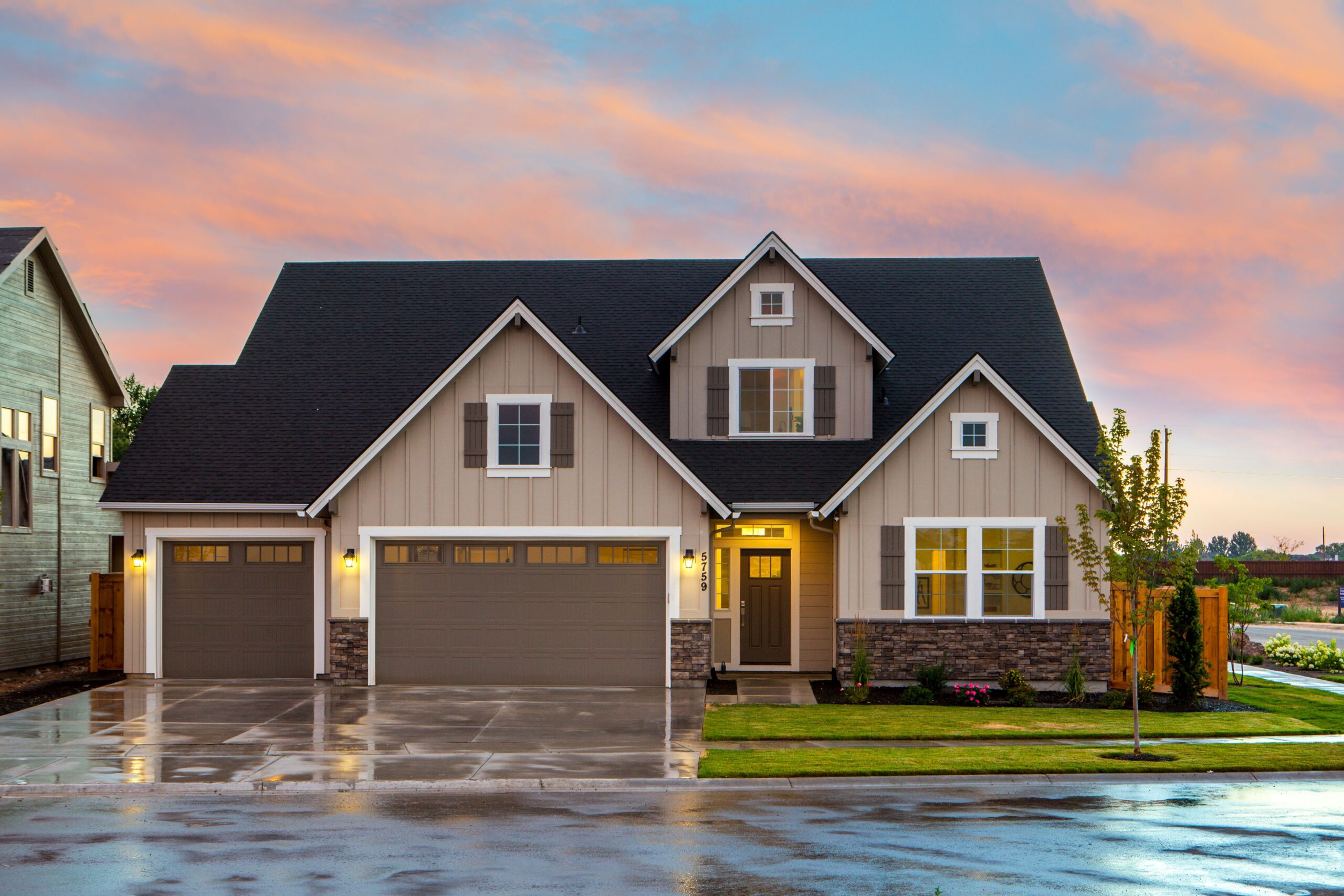
Lap siding remains a common option, while board-and-batten works well with modern farmhouse and transitional designs. Shake accents can add character to gables, although using too many profiles can make an exterior feel busy.
Pay attention to contrast. Warm white siding with dark bronze windows creates a different impression from cool gray siding with bright white trim. View samples outdoors in changing light and, if possible, examine completed homes before making a decision.
Your Climate and Maintenance Habits Should Guide the Decision:
Fiber cement can perform across different climates, but local conditions still influence long-term satisfaction. Heavy rain, wind-driven storms, and extended humidity make moisture management especially important. In hotter areas, color retention and finish durability deserve attention.
The Department of Energy’s Building America guidance on drainage planes behind exterior wall cladding explains how proper drainage and drying behind siding help manage moisture within exterior wall assemblies.
Maintenance isn’t demanding, but it isn’t zero. Rinse away dirt, inspect caulk lines, watch for impact damage, and keep vegetation from touching the walls. Homeowners who expect to ignore their exterior for decades may be disappointed regardless of the material they choose.
The Best Contractor Conversations Happen Before Signing:
Collecting three bids and choosing the middle price may seem practical, but comparing scope is more important than comparing totals alone.
Ask whether the proposal includes house-wrap replacement, flashing upgrades, trim replacement, caulking, paint touch-ups, debris removal, and permits. Clarify how change orders are priced, who supervises the crew, and how progress is monitored.
Request photographs of completed projects showing corners, window heads, butt joints, and soffit transitions. These details reveal craftsmanship more clearly than attractive curbside photographs.
A Siding Project Affects More Than Appearance:
A properly executed siding project can improve moisture protection, address vulnerable exterior details, and reveal hidden deterioration before it spreads. It may also create an opportunity to consider insulation or air-sealing improvements behind the walls.
The U.S. Department of Energy’s guidance on moisture, impact, fire, and pest-resistant exterior siding discusses material selection and installation considerations that influence exterior durability.
If fiber cement is on your shortlist, take your time choosing the product and even more time evaluating the installer. The material has earned its reputation, but the final result still depends on execution. A well-planned project can deliver lasting performance, better curb appeal, and greater confidence in your home’s exterior.
