

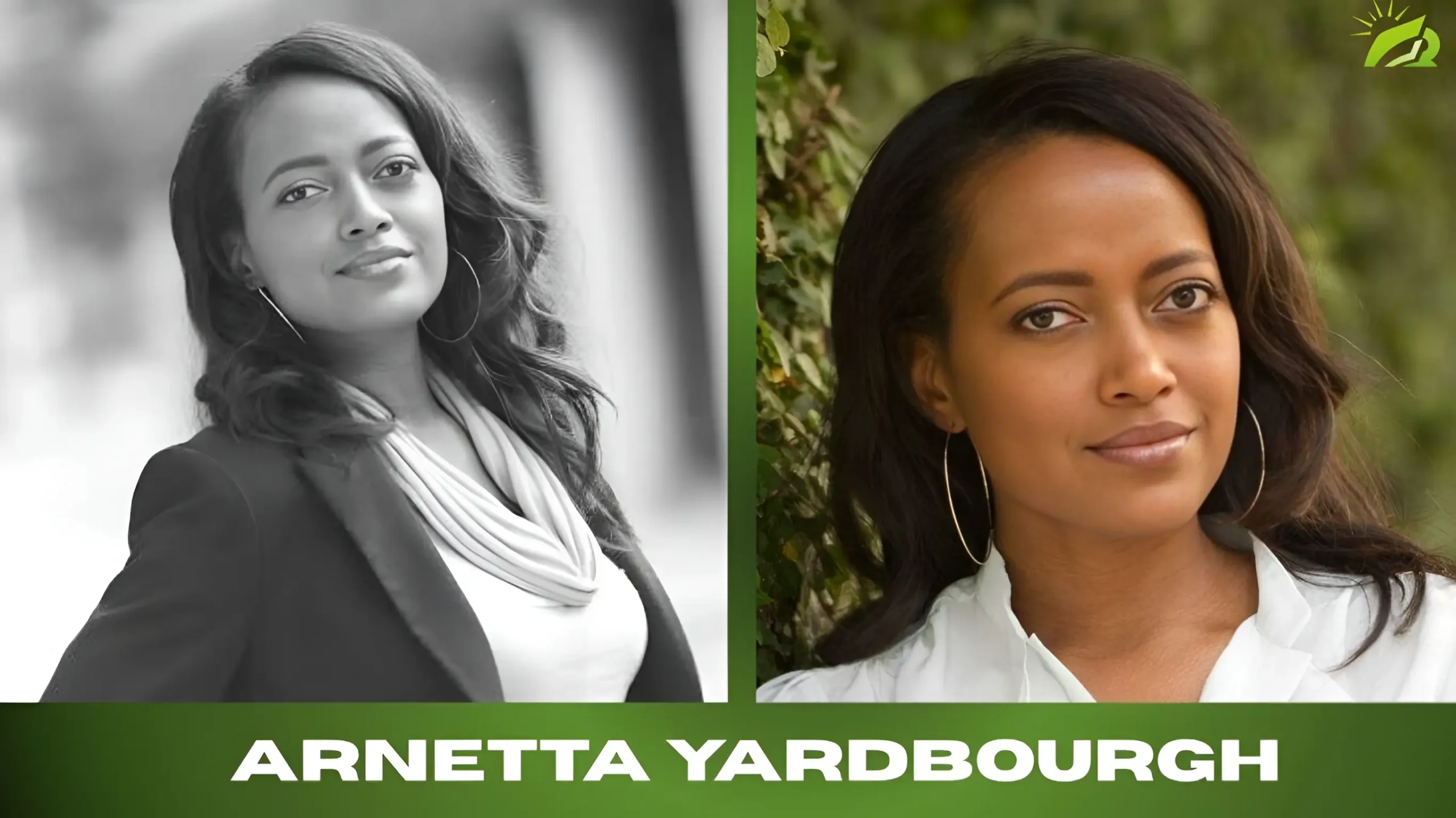
Arnetta Yardbourgh is a businesswoman and professional coach whose name is frequently associated with former NBA superstar Shaquille O’Neal. While public curiosity about her personal life has contributed to her recognition, there is considerably more to her story than her past relationship with a famous basketball player. Her professional identity is connected to coaching, consulting, personal development, and helping people navigate change in their lives and careers.
In a world where celebrity relationships often attract more attention than individual accomplishments, Yardbourgh presents an interesting example of a person whose professional work deserves consideration alongside her personal history. Her career has involved supporting individuals and organizations through questions about growth, leadership, well-being, and professional direction. These subjects are increasingly important in a society where people regularly reconsider their goals, responsibilities, and definitions of success.
Interest in Arnetta Yardbourgh also reflects a broader curiosity about the people connected to internationally recognized public figures. Readers often want to understand who someone is, what they do professionally, whether they have children, and how their life has developed over time. However, answering those questions responsibly requires a distinction between documented information and assumptions that circulate online.
This article explores Arnetta Yardbourgh’s publicly known background, professional activities, business interests, connection to Shaquille O’Neal, and approach to building a career beyond celebrity attention. It also considers the broader lessons that readers can draw from professional coaching, personal reinvention, and maintaining an independent identity.
Who Is Arnetta Yardbourgh?
Arnetta Yardbourgh is an American professional coach and entrepreneur associated with AY & Associates, LLC, a business focused on life, business, and leadership coaching. Her professional work centers on helping people understand their circumstances, identify meaningful goals, and consider practical ways to move forward.
She is also known publicly as the former partner of Shaquille O’Neal, one of basketball’s most recognizable figures, and the mother of his eldest daughter, Taahirah O’Neal. This connection introduced her name to audiences interested in O’Neal’s personal life. Nevertheless, it represents only one aspect of her public identity.
Yardbourgh’s professional direction is particularly relevant to people interested in coaching and personal development. Coaching can help individuals reflect on what they want to achieve, identify habits that may be limiting their progress, and create more deliberate plans for the future. In business settings, similar work may involve leadership development, organizational challenges, communication, and navigating periods of change.
Her professional identity therefore extends beyond the celebrity-related searches that frequently bring readers to her biography.
Some basic points help introduce her to readers:
- Name: Arnetta Yardbourgh.
- Professional background: Coaching, consulting, and entrepreneurship.
- Business association: AY & Associates, LLC.
- Professional interests: Life development, business growth, leadership, and personal change.
- Family connection: Former partner of Shaquille O’Neal and mother of Taahirah O’Neal.
- Public profile: A combination of professional work and interest surrounding her personal history.
Although these details offer a starting point, the more interesting part of her story is how her professional identity can be understood independently of her association with a famous athlete.
Early Life and Personal Background
Readers searching for Arnetta Yardbourgh often want to know about her upbringing, childhood, family background, and experiences before she became publicly associated with Shaquille O’Neal.
However, reliable information about her early personal life is limited compared with the information available about more prominent celebrities. Details about an individual’s childhood should not be filled in with invented stories simply to make a biography appear more complete.
It is important to distinguish between what is publicly established and what remains private. Personal experiences, family relationships, childhood influences, and formative events can have a major impact on someone’s character, but an outside observer cannot accurately describe those influences without appropriate evidence.
Yardbourgh’s later professional direction provides a more practical way to understand her public identity. Her work in coaching and consulting involves subjects such as personal development, communication, and change. These fields require people to examine challenges carefully, listen to different perspectives, and consider how decisions affect both individual and professional goals.
That does not mean every aspect of her career can be attributed to a particular childhood experience. There is no reason to assume that a public figure’s professional interests reveal the details of their private upbringing.
A responsible biography recognizes that people have lives beyond the information available online. In Yardbourgh’s case, her professional work offers a clearer starting point for understanding her public achievements than unverified stories about her early years.
This distinction also makes her story more useful to readers. Rather than relying on speculation, it encourages attention toward the work she has chosen to make public and the professional direction she has developed.
Education and Professional Development
Education and professional development are important considerations when examining Arnetta Yardbourgh’s career. Her publicly presented professional credentials include a PhD and the Certified Professional Co-Active Coach, or CPCC, credential.
These qualifications are relevant to understanding the areas in which she works, although credentials should always be interpreted accurately. Academic qualifications, coaching certifications, supervised professional experience, and legal permission to provide licensed clinical services are not interchangeable.
Her current professional website also describes her as a postdoctoral fellow pursuing licensure and explicitly states that she is not currently a licensed psychologist or therapist. It identifies her business services as coaching rather than therapy.
That clarification matters because coaching and clinical treatment have different purposes and professional boundaries. Coaching generally concentrates on goals, choices, behavior, career direction, leadership, and personal development. Therapy, by contrast, may involve assessment and treatment of mental health conditions by an appropriately qualified and licensed professional.
Understanding this difference helps readers interpret Yardbourgh’s professional background without overstating what any qualification permits her to do.
Professional learning is valuable in fields such as coaching because people’s needs are rarely identical. One client may be struggling to choose a career direction, while another may be navigating leadership responsibilities or trying to manage a demanding business transition. Effective support requires an ability to ask useful questions, recognize individual circumstances, and establish realistic expectations.
Education can provide a foundation for professional practice, but experience, ethical boundaries, continued learning, and clear communication also matter.
Yardbourgh’s stated credentials and emphasis on coaching provide context for her career. They also highlight a broader lesson: professional credibility is strongest when qualifications are presented accurately and accompanied by a transparent explanation of the services being offered.
Arnetta Yardbourgh’s Career and Professional Journey
Arnetta Yardbourgh’s career is an important part of her public story because it demonstrates that her professional identity is not limited to her connection with a celebrity.
Her work is associated with coaching, consulting, wellness-related interests, and business development. These fields focus on the relationship between individual decisions and larger professional objectives. Entrepreneurs, business owners, managers, and people facing career changes may all encounter situations in which they need to reconsider their priorities and strategies.
For an entrepreneur, the challenge may involve deciding which opportunities deserve attention. For an employee, it might mean recognizing that a particular position no longer matches their long-term goals. For a leader, it may involve improving communication or adapting to an organization that has outgrown its original structure.
Coaching can provide a structured environment for examining these questions. Instead of immediately prescribing a solution, a coach may help a client clarify the problem, examine assumptions, identify options, and define actions that can be reviewed over time.
This general approach is closely related to the professional services associated with Yardbourgh.
A Career Focused on Personal and Professional Growth
Personal growth and professional growth are often treated as separate subjects. In practice, however, they influence each other.
Someone who struggles to communicate effectively may find it difficult to manage a team. A business owner who cannot establish boundaries may become overwhelmed by competing responsibilities. A professional who has achieved success in one role may discover that their previous habits no longer serve them in a new position.
These examples illustrate why coaching can address several connected areas of life rather than focusing exclusively on productivity or business performance.
Yardbourgh’s work in life, business, and leadership coaching reflects this broad professional area. It includes the kinds of questions that arise when individuals and organizations are trying to move from an existing situation toward a different one.
A meaningful coaching process does not guarantee success. Its value depends on the client’s needs, the quality of the professional relationship, realistic goals, and the willingness to take appropriate action.
Nevertheless, a structured process can give people a clearer way to evaluate choices that might otherwise feel confusing or overwhelming.
Entrepreneurship and Independent Professional Identity
Building an independent business involves more than choosing a company name or identifying a service. Entrepreneurs must define who they intend to help, explain their value, manage their time, and make decisions about how their work should develop.
A professional service business also depends on trust. Potential clients need to understand what a provider does, what qualifications they hold, and whether the services match their needs.
Yardbourgh’s association with AY & Associates provides a clear example of a career presented through an independent professional organization. Rather than depending exclusively on the public attention surrounding her personal relationships, her business offers a separate context for her work and professional services.
An independent career can be especially important for people whose names become associated with someone else’s success. Public attention may create recognition, but recognition alone does not explain an individual’s expertise or professional value.
Establishing a distinct professional identity requires a clearer picture of the person’s work, services, and responsibilities.
For readers interested in entrepreneurship, Yardbourgh’s professional path offers an opportunity to think about how specialized knowledge and service-based work can form the foundation of a business. It also reinforces the importance of presenting professional qualifications accurately and describing the intended benefits of a service without making unrealistic promises.
AY & Associates, LLC: Understanding Her Business
AY & Associates, LLC, is closely connected to Arnetta Yardbourgh’s professional identity. Its current website presents the organization as a coaching business operating under the AYACOACH name.
The services described include individual coaching, group coaching, and work with teams or organizations. The stated focus includes life, business, and leadership development, with support for people navigating career transitions, burnout-related challenges, reinvention, and changing business responsibilities.
These areas serve different audiences, even though they share a common theme: people and organizations sometimes need to reconsider how they are operating.
For example, an individual considering a major career change may need help clarifying priorities and identifying possible next steps. A founder may need to think differently about leadership as a company expands. A team may need to examine how its communication patterns affect collaboration.
A business providing coaching services must understand these different contexts. An individual seeking personal direction will not necessarily need the same process as a team trying to address organizational challenges.
Why the Coaching Business Model Matters
Coaching is a service-based business, which means much of its value depends on the quality of the relationship between the professional and the client.
Unlike a product that can be examined before purchase, the results of a coaching engagement depend on multiple factors. The coach may provide structure, questions, feedback, and a framework for action, but the client’s circumstances and decisions also influence the outcome.
A clear service description is therefore important. Prospective clients should be able to understand what the process involves, what it does not involve, and what kind of support may be suitable for their situation.
The current AY & Associates website distinguishes coaching from therapy. That boundary is particularly important in a business connected to personal development and psychological concepts.
It helps visitors understand that coaching is not being presented as a substitute for clinical treatment. People dealing with mental health concerns that require professional treatment should seek an appropriately licensed provider.
The Importance of Adapting to Change
One of the recurring themes in modern professional life is the need to adapt.
A business may grow beyond its original operating model. A person may change careers after years in one industry. A manager may become responsible for people with different needs and expectations. In each situation, previously successful habits may need to be reconsidered.
A coaching business can provide a dedicated setting for thinking through such transitions.
The current professional presentation of AY & Associates emphasizes change, reinvention, and development. This provides useful context for understanding the type of work associated with Yardbourgh today.
The broader lesson is that professional growth is rarely a single event. It involves ongoing decisions about priorities, behavior, relationships, and direction.
For someone interested in starting a coaching or consulting business, this model also illustrates the importance of defining a clear area of service and explaining how it differs from other forms of professional support.
What Does Arnetta Yardbourgh Do Today?
Arnetta Yardbourgh’s current professional website identifies her as the founder of AY & Associates and presents her work primarily through coaching services.
The services are directed toward individuals, founders, creative professionals, and teams facing personal or organizational transitions. The subjects highlighted include career pivots, burnout recovery, reinvention, leadership, and business growth.
This focus suggests that her public professional identity is centered on helping people examine change rather than simply offering advice about achieving a particular milestone.
Change can be difficult because it often creates uncertainty. A person may recognize that a current role is no longer suitable but feel unsure about what should replace it. An entrepreneur may know that a business needs to grow but struggle to decide which responsibilities to delegate. A team may understand that communication is not working without agreeing on why the problem exists.
In such situations, taking time to define the problem can be as important as selecting a solution.
Coaching can provide a structured way to examine these circumstances. Depending on the engagement, a process may involve clarifying desired outcomes, identifying obstacles, considering alternatives, agreeing on practical steps, and reviewing progress.
These are general features of coaching, not a guarantee that every client will achieve a particular result.
The Role of Leadership Coaching
Leadership is not limited to people who hold senior corporate positions. Small-business owners, project managers, nonprofit organizers, and team supervisors all make decisions that affect other people.
Leadership coaching may help someone reflect on how they communicate, delegate, make decisions, and respond to conflict. It may also help a person recognize the difference between managing every detail personally and creating an environment in which others can contribute effectively.
Founders can face particularly difficult transitions when their responsibilities change faster than their habits. An approach that worked when a business had only a few clients may not work when the company has multiple teams or more complex operations.
The challenge is not always a lack of knowledge. Sometimes it is a need to reconsider assumptions and develop a different way of working.
Life Coaching and Career Reinvention
Career decisions often involve more than salary or job title. People may also consider flexibility, values, family responsibilities, long-term interests, and the type of work they want to perform.
A structured coaching conversation can help someone compare these considerations rather than making a decision based on one immediate concern.
For example, someone who feels dissatisfied with a job might initially believe that resignation is the only answer. A more careful examination could reveal that the main problem is limited responsibility, poor communication, or a mismatch between the role and the person’s interests.
Understanding the underlying issue can help clarify which options deserve consideration.
Career reinvention also requires realistic planning. A person changing industries may need additional training, financial preparation, networking, or a gradual transition rather than an immediate move.
The professional subjects associated with Yardbourgh’s current work connect to these common challenges. They also explain why coaching and consulting can remain relevant to people at different stages of their professional lives.
Arnetta Yardbourgh and Shaquille O’Neal: Their Relationship
One of the main reasons people search for Arnetta Yardbourgh is her past relationship with Shaquille O’Neal.
O’Neal is widely recognized for his basketball career, business ventures, and public appearances. Because his personal life has attracted considerable attention, people connected to him have also become subjects of public curiosity.
Yardbourgh was his former partner before his later marriage to Shaunie O’Neal. Yardbourgh and Shaquille O’Neal share a daughter, Taahirah O’Neal.
The relationship belongs to an earlier chapter of O’Neal’s personal life, but public interest continues because readers want to understand the broader story behind one of basketball’s most recognizable names.
It is useful to keep the timeline and context in perspective. Yardbourgh’s relationship with O’Neal is one aspect of her biography, not a complete account of her identity, professional qualifications, or career.
Celebrity relationships frequently attract attention because they connect private relationships to familiar public figures. That attention can be persistent, even after the people involved have moved into different stages of their lives.
A respectful account should focus on established facts rather than rumors about why a relationship ended, who was responsible, or what either person privately felt.
Without reliable, direct information, speculation about personal disagreements or relationship dynamics does not help readers understand the individuals involved.
The more meaningful perspective is that Yardbourgh and O’Neal share a family connection and that their respective public identities have developed along different professional paths.
For people researching Yardbourgh, her relationship with O’Neal explains part of her public recognition. It should not overshadow the professional work that forms another important part of her story.
Who Is Taahirah O’Neal?
Taahirah O’Neal is the daughter of Arnetta Yardbourgh and Shaquille O’Neal.
Her family background naturally attracts public interest because her father is a well-known athlete and her mother has an independent professional background in coaching and consulting.
However, a person’s family connections do not automatically provide a complete understanding of their personality, accomplishments, or private life. Taahirah has her own identity, and her experiences should not be reduced to the public profiles of her parents.
For readers exploring Arnetta Yardbourgh’s biography, the mother-daughter relationship is an important part of the family context. It also helps explain why Yardbourgh continues to appear in searches connected to the O’Neal family.
At the same time, responsible coverage should avoid making assumptions about private family arrangements or attributing particular personal beliefs to either parent without supporting information.
Family relationships can change over time, and the details that individuals choose to share publicly may represent only a small portion of their experiences.
A biography does not need to disclose private family matters to be informative. It can acknowledge the relationship, explain its public significance, and then return to the individual’s own career and identity.
In Yardbourgh’s case, this approach makes it possible to discuss her connection to a famous basketball family without turning the article into speculation about the family’s private affairs.
Motherhood and the Importance of a Private Family Life
Motherhood is another dimension of Arnetta Yardbourgh’s public identity.
Raising a child involves responsibilities that extend well beyond public recognition, professional status, or financial resources. Parents often need to balance work, family commitments, personal goals, and changing responsibilities as their children grow.
For people with connections to celebrities, family life may attract attention even when family members have not chosen public careers themselves. This creates a distinction between information that is legitimately public and details that should remain private.
In Yardbourgh’s case, her connection to Taahirah O’Neal is publicly established. However, that fact alone does not justify assumptions about the private choices she made as a parent, the details of her household, or the specific arrangements between family members.
A balanced biography can recognize the significance of motherhood without inventing intimate anecdotes or presenting unverified descriptions of her personal life.
There is also a broader point worth considering. Professional success and family responsibilities are not necessarily opposing goals. People may adapt their careers at different stages of life because their priorities and circumstances change.
An entrepreneur, for example, may need to reconsider how much time is spent on work as family responsibilities develop. A parent returning to a professional role may need to rebuild routines and reassess long-term goals.
These are general experiences shared by many people, not claims about particular decisions Yardbourgh made.
Keeping the distinction clear allows her story to be discussed thoughtfully while respecting the privacy of everyone involved.
Building an Identity Beyond Celebrity Connections
A recurring challenge for individuals associated with famous people is that public perception can become attached to a single relationship.
When audiences hear a name repeatedly in connection with a celebrity, the association can become the first thing they remember. Other information about the person may receive less attention, even when it is professionally significant.
This pattern is not unique to Arnetta Yardbourgh. It affects former partners of athletes, actors, musicians, politicians, and other public figures.
The difficulty is that public recognition and professional recognition are not the same thing.
A person may become widely searched because of a celebrity connection without being widely understood for their own work. Conversely, a person may have a meaningful professional career without seeking the kind of public visibility enjoyed by their famous associate.
Yardbourgh’s career in coaching and consulting offers another context for understanding her identity. Her business provides a professional setting separate from her previous relationship with O’Neal.
That distinction is especially important in biographies because a relationship does not determine everything that happens before or after it.
People develop new skills, take on responsibilities, build organizations, and change their interests over time. An account that focuses exclusively on a past relationship overlooks that wider experience.
The internet can reinforce narrow descriptions because short headlines and brief summaries are easy to repeat. Yet those summaries cannot always communicate the complexity of an individual’s professional and personal life.
A more balanced understanding of Yardbourgh considers the celebrity connection alongside her coaching work, business activity, and professional interests.
Her story is therefore relevant not only to readers interested in the O’Neal family but also to those curious about entrepreneurship, coaching, career development, and personal identity.
Arnetta Yardbourgh’s Approach to Personal Development
The professional services associated with Yardbourgh make personal development a central theme of her public profile.
Personal development is sometimes described as a search for constant improvement, but this description can create unnecessary pressure. People do not need to optimize every minute of their lives to make meaningful progress.
A more practical approach begins by identifying what actually needs to change.
Someone who feels overwhelmed at work may need clearer priorities rather than a more demanding schedule. An entrepreneur who feels stuck may need to revisit the business model rather than work longer hours. A professional who is considering a career transition may need better information about available alternatives before making a major decision.
The first step is understanding the real problem.
Self-Awareness Before Action
Self-awareness involves recognizing personal priorities, habitual responses, strengths, limitations, and the circumstances that influence decisions.
It does not require someone to have a complete understanding of themselves at all times. Rather, it allows them to approach decisions with greater honesty and curiosity.
Useful questions may include:
- What am I trying to achieve, and why does it matter to me?
- Which parts of my current situation are within my control?
- What assumptions am I making about my available choices?
- Which responsibilities are essential, and which could be handled differently?
- What information would help me make a more informed decision?
These questions can be useful in coaching, but they also apply to ordinary professional reflection.
Turning Reflection Into Action
Self-awareness is valuable only when it informs decisions.
A person may identify a problem but still struggle to change established habits. Practical planning can bridge the gap between understanding and action.
A useful plan identifies a specific goal, a realistic next step, a suitable timeframe, and a way to review progress.
For example, a person trying to improve professional communication could begin by preparing more carefully for important conversations. A founder seeking better work-life boundaries might review meeting commitments and determine which responsibilities can be delegated.
Progress should be evaluated against realistic expectations rather than an idealized picture of success.
Respecting Individual Circumstances
Personal development should not assume that every person begins from the same position.
Financial responsibilities, family commitments, workplace conditions, health concerns, and available resources can affect what options are realistic.
Advice that works for one individual may be unsuitable for another. A thoughtful approach considers the person’s circumstances instead of treating every obstacle as a failure of motivation.
These principles explain why coaching can be useful as a structured process for reflection and goal-setting. They also provide a broader framework for understanding the professional themes associated with Yardbourgh.
Importantly, coaching should not be presented as a universal solution. Some concerns call for medical, legal, financial, or other specialized professional assistance rather than coaching alone.
What Is Arnetta Yardbourgh’s Net Worth?
Arnetta Yardbourgh’s net worth is a common subject of online searches, partly because of her past relationship with Shaquille O’Neal.
However, a reliable, independently verified figure for her personal net worth is not established by the information discussed here. Numbers repeated across biography websites should not automatically be treated as accurate financial information.
Personal wealth is difficult to calculate without reliable information about assets, business interests, liabilities, property, investments, and other financial obligations.
A person’s public profession does not reveal their income. Knowing that someone owns or operates a coaching business, for example, does not establish how profitable that business is or what its owner personally earns.
Similarly, the financial position of a former partner should not be used as a substitute for evidence about the individual’s own finances.
The responsible answer is that Yardbourgh’s exact net worth has not been reliably established here.
Readers should be cautious about websites that present precise figures without explaining how those estimates were calculated or what information supports them.
A biography can be informative without including a speculative financial number. In this case, her professional background and business activities provide a more useful basis for understanding her public identity than unsupported estimates of personal wealth.
Why Is Arnetta Yardbourgh Not as Publicly Visible as Shaquille O’Neal?
Shaquille O’Neal’s long basketball career, business interests, media appearances, and entertainment activities have made him a highly recognizable public figure.
Yardbourgh has a different professional profile. Her work is associated with coaching and consulting rather than the type of mass entertainment that keeps athletes and media personalities continually visible.
This difference in professional roles helps explain why the amount of publicly available information about the two people may be unequal.
However, it would be inappropriate to assume that Yardbourgh deliberately avoids attention for one particular reason unless she has publicly explained such a decision.
People may maintain different levels of public visibility because of their occupations, interests, responsibilities, or personal preferences. Not everyone needs a large social media audience to pursue professional goals.
Business owners and coaches may choose to focus their public communication on their services, professional ideas, or prospective clients. Their work can be meaningful without making their private lives a central part of their professional identity.
The limited availability of personal information also makes accuracy especially important. When a person does not regularly discuss private matters publicly, outside observers may be tempted to fill gaps with guesses.
A responsible biography resists that temptation.
The fact that some aspects of Yardbourgh’s life remain private does not mean that those gaps should be treated as mysteries to solve. It simply means that a careful account should focus on information that can be discussed with confidence.
What Can Readers Learn From Arnetta Yardbourgh’s Professional Story?
Although every person’s circumstances are different, several general lessons can be drawn from the professional themes associated with Yardbourgh.
1. A Professional Identity Can Stand Independently
A public association may introduce someone to a wider audience, but it does not need to define their entire identity.
Developing an independent professional identity means being clear about one’s skills, services, responsibilities, and goals. It also means allowing different aspects of life to exist without forcing them into one narrative.
For entrepreneurs and professionals, this can be a useful reminder to build recognition around the work they actually perform.
2. Career Development Can Continue Over Time
Career paths are not always straightforward.
People may discover new interests, pursue additional education, establish businesses, or develop different professional priorities as their circumstances change.
The idea that a person must choose one professional direction and remain there forever does not reflect how many careers develop.
Continued learning and thoughtful reflection can help people respond to changes in their industries and responsibilities.
3. Clear Boundaries Support Professional Credibility
Coaching, consulting, therapy, and other specialized services are not interchangeable.
Professionals build trust by explaining their qualifications, describing what their services involve, and being transparent about their limits.
Clients benefit when they understand what a professional can offer and when another form of assistance may be more appropriate.
4. Personal Growth Requires Realistic Planning
Motivation can encourage people to begin a new project, but a realistic plan helps turn intentions into action.
Useful goals are specific enough to guide behavior and flexible enough to account for changing circumstances.
A person does not need to resolve every challenge immediately. Consistent, manageable steps can provide a practical starting point.
5. Privacy Is Compatible With Professional Success
Public visibility is not the only measure of achievement.
A person may create value through a business, professional relationships, community participation, or specialized services without sharing every part of their life online.
For readers navigating their own careers, this is a useful reminder that the right level of visibility depends on personal goals rather than external expectations.
Illustrative Case Studies: Applying the Lessons of Career Reinvention
The following examples are hypothetical scenarios designed to explain common coaching and professional-development challenges. They are not actual clients of Arnetta Yardbourgh, and they should not be interpreted as documented results from her business.
Case Study 1: A Professional Considering a Career Change
Consider a professional who has spent several years in one industry but has begun to feel dissatisfied with their role.
At first, the individual assumes that changing employers will solve the problem. However, reflection reveals that the main concern is a lack of meaningful responsibility and limited opportunities to use their strongest skills.
Instead of immediately resigning, the professional identifies what they want from their next role. They research alternative positions, speak with people working in related fields, and list the skills they may need to develop.
The person eventually has a clearer basis for making a career decision.
The lesson is that dissatisfaction does not always identify its own solution. Before taking a major step, it can be useful to distinguish between a problem with the current workplace and a broader mismatch between the individual and their professional direction.
This example illustrates a potential role for coaching: providing structure for reflection and decision-making without making the decision on the client’s behalf.
Case Study 2: A Small-Business Owner Managing Growth
Imagine a small-business owner whose company has attracted more customers than it had during its early stages.
The owner continues handling nearly every decision personally. Although this approach once helped maintain quality, it now creates delays and leaves little time for planning.
The owner begins by listing recurring responsibilities and identifying which decisions genuinely require personal involvement. They then establish clearer procedures, delegate suitable tasks, and schedule regular time for reviewing business priorities.
The transition is not immediate. Delegation requires communication, appropriate training, and trust in the people responsible for carrying out the work.
Over time, however, the owner has a more organized basis for deciding how the company should develop.
The lesson is that a strategy that works at one stage of a business may need to change as the organization grows. Leadership often involves recognizing when personal involvement is helpful and when a different structure would work better.
Case Study 3: A Team Facing Communication Problems
Consider a creative team that repeatedly misses deadlines because members have different expectations about responsibilities and approvals.
At first, team members blame one another. A closer examination reveals that the team has not agreed on who makes final decisions, when feedback should be provided, or how changes should be communicated.
The team establishes clearer responsibilities, schedules brief planning meetings, and creates a shared method for tracking decisions.
These changes do not eliminate every disagreement, but they provide a more consistent framework for collaboration.
The lesson is that interpersonal problems sometimes arise from unclear processes rather than personal conflicts alone.
Coaching and organizational development may help teams examine these patterns, identify practical adjustments, and review whether the changes are useful.
In all three examples, improvement depends on understanding the circumstances, selecting realistic actions, and assessing progress. None of the scenarios represents a confirmed experience from Yardbourgh’s professional practice.
Frequently Asked Questions About Arnetta Yardbourgh
Q1: Who is Arnetta Yardbourgh?
A: Arnetta Yardbourgh is an American professional coach and entrepreneur associated with AY & Associates, LLC. She is also publicly known as the former partner of Shaquille O’Neal and the mother of his daughter, Taahirah O’Neal. Her professional work includes life, business, and leadership coaching.
Q2: What does Arnetta Yardbourgh do for a living?
A: Yardbourgh’s current professional website presents her as the founder of AY & Associates, LLC, a coaching business. Its services include individual and group coaching, as well as support for founders, teams, and organizations navigating professional or personal change.
Q3: Is Arnetta Yardbourgh Shaquille O’Neal’s ex-wife?
A: No. Yardbourgh is publicly identified as O’Neal’s former partner, not his former wife. O’Neal later married Shaunie O’Neal. Yardbourgh and Shaquille O’Neal share a daughter, Taahirah O’Neal.
Q4: Does Arnetta Yardbourgh have children?
A: Yes. Arnetta Yardbourgh and Shaquille O’Neal have a daughter named Taahirah O’Neal. Taahirah is the eldest child in O’Neal’s family.
Q5: Who is Arnetta Yardbourgh’s daughter?
A: Her daughter is Taahirah O’Neal. Taahirah is known publicly as the daughter of Arnetta Yardbourgh and Shaquille O’Neal. She has an identity separate from her parents, and information about her private life should not be assumed from their public profiles.
Q6: What is AY & Associates, LLC?
A: AY & Associates, LLC, is the business associated with Yardbourgh’s professional coaching work. Operating under the AYACOACH name, the organization presents services covering life, business, and leadership coaching for individuals and groups.
Q7: Does Arnetta Yardbourgh have a PhD?
A: Her current professional website identifies her as Dr. Arnetta Yardbourgh and lists a PhD and a Certified Professional Co-Active Coach credential. The same website describes her as a postdoctoral fellow pursuing licensure and explicitly states that she is not currently a licensed psychologist or therapist.
Q8: What is Arnetta Yardbourgh’s net worth?
A: A reliably verified estimate of Yardbourgh’s net worth is not established here. Figures published on biography websites should be treated cautiously unless their calculations and supporting evidence can be independently verified.
Q9: Where does Arnetta Yardbourgh work?
A: Yardbourgh’s current professional website identifies AY & Associates, LLC, as her business. The company describes its work as coaching for individuals, founders, creative teams, and organizations. Readers seeking current service details can consult the business’s official website.
Q10: Why is Arnetta Yardbourgh famous?
A: She is frequently searched because of her past relationship with Shaquille O’Neal and her role as the mother of his daughter, Taahirah O’Neal. She also has an independent professional identity through her coaching and consulting work.
Q11: Is Arnetta Yardbourgh a therapist?
A: Her current business website states that she is not a licensed psychologist or therapist and that her services are coaching rather than therapy. Anyone seeking diagnosis or treatment for a mental health condition should consult an appropriately licensed professional.
Q12: What is known about Arnetta Yardbourgh’s life today?
A: The publicly presented professional information about Yardbourgh centers on coaching, consulting, and AY & Associates. Personal details beyond what she or reliable public information establish should be treated carefully rather than filled in with speculation.
Q13: Who is Shaq’s first baby mama?
A: Arnetta Yardbourgh is Shaquille O’Neal’s first child’s mother; their daughter, Taahirah O’Neal, was born in 1996.
Q14: What happened to Shaq’s wife?
A: Shaquille married Shaunie Nelson in 2002, but their marriage ended in divorce in 2011; Shaunie later married Pastor Keion Henderson.
Q15: Was Shaq faithful, and why did the marriage end?
A: Shaq publicly admitted to infidelity and blamed himself for the breakdown of their marriage, acknowledging that his actions contributed to their separation.
Final Thoughts on Arnetta Yardbourgh
Arnetta Yardbourgh’s story illustrates why a person’s public identity should not be reduced to a single relationship or headline.
Her association with Shaquille O’Neal explains much of the public curiosity surrounding her name, particularly among readers interested in his family and personal history. However, her professional work in coaching, consulting, and business development provides another important dimension to her biography.
Through AY & Associates, Yardbourgh has presented a professional focus on life, business, and leadership coaching. These subjects are relevant to people facing career transitions, reconsidering their priorities, developing their leadership skills, or navigating organizational change.
Her professional background also highlights the importance of accurately describing qualifications and maintaining clear boundaries between coaching and licensed clinical services. Such distinctions help readers understand what a professional does without exaggerating their credentials or making unsupported promises.
At the same time, not every aspect of Yardbourgh’s personal history is publicly documented. Recognizing those limits makes a biography more credible, not less informative. A thoughtful account can explain established facts while respecting details that remain private.
Ultimately, Arnetta Yardbourgh is best understood by considering both the circumstances that brought her public recognition and the professional identity she presents independently. Her story offers a useful starting point for discussions about entrepreneurship, personal development, career reinvention, family, and the difference between being known by association and being understood for one’s own work.
For More Visits: Bright Magazine
Also Read: Dixie Brubaker: Fascinating Life, Family, and Private Story
