

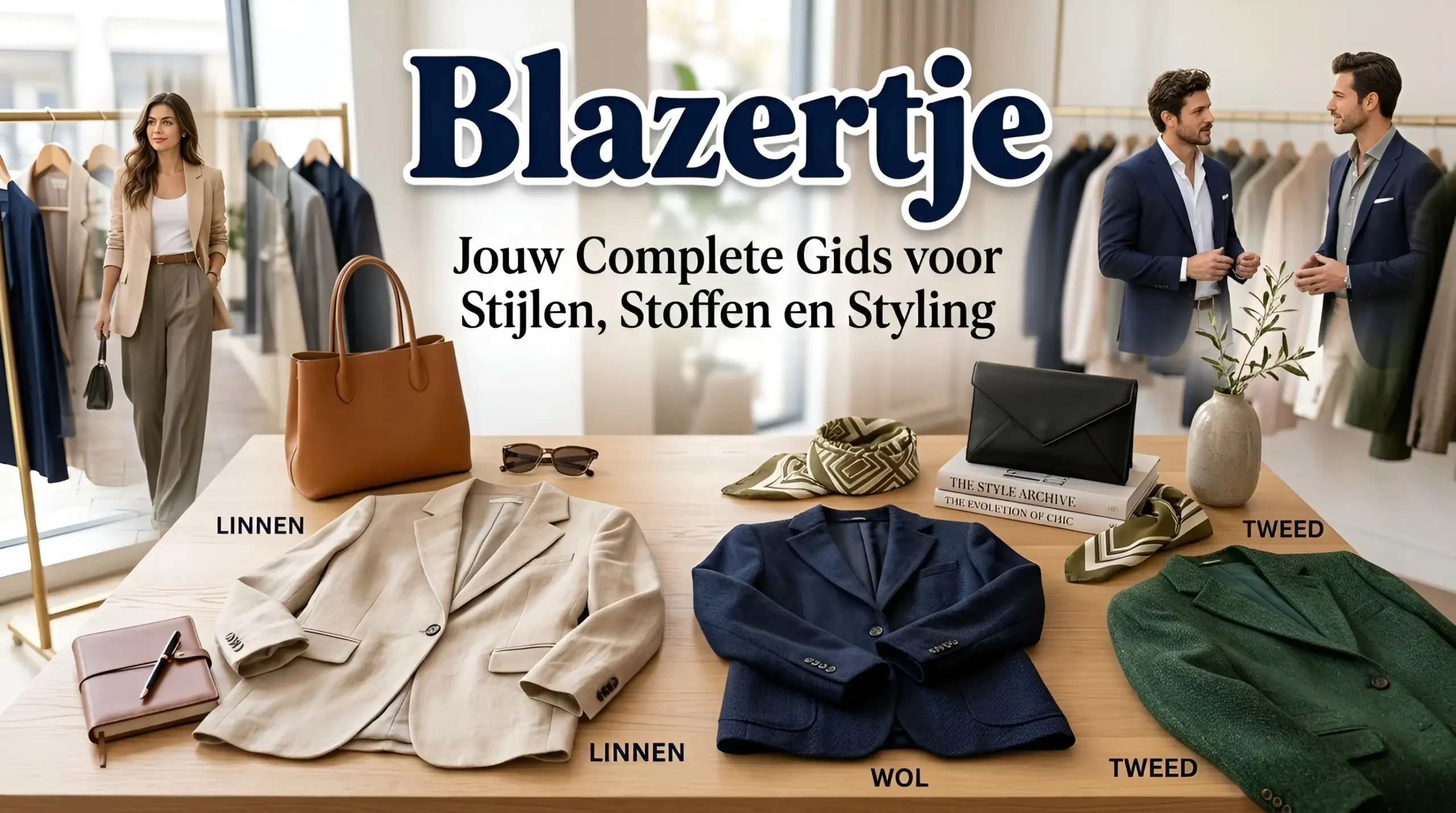
Fashion is not always about following the newest trend or purchasing an expensive outfit. Sometimes, a single well-chosen garment can make a wardrobe more practical, attractive, and versatile. A blazer is a perfect example of this idea because it can add structure to casual clothing, complement professional outfits, and create a polished appearance for social occasions. Within this familiar area of fashion, the word Blazertje has attracted attention from people who want to understand its meaning, discover its connection to blazers, and explore how this type of jacket can fit into everyday dressing.
At first glance, Blazertje may look like the name of a particular designer, clothing brand, or recently introduced fashion trend. Its actual meaning is simpler. Blazertje is a Dutch diminutive form of the word blazer, commonly understood in English as “little blazer.” Depending on the context, the word can suggest a smaller jacket or provide a softer, more informal way to refer to a blazer. It does not automatically describe one specific cut, fabric, colour, or design.
This distinction matters when shopping online, reading fashion articles, learning Dutch vocabulary, or deciding whether a particular jacket suits your needs. A garment described as a Blazertje could be fitted, cropped, relaxed, traditionally tailored, or designed with a more contemporary silhouette. The name alone does not tell you everything about its construction.
The appeal of a blazer comes from its adaptability. It can be worn with jeans, trousers, skirts, dresses, and different types of tops. A lightweight design may suit warmer weather, while a lined jacket made from a heavier fabric can provide a useful extra layer in cooler conditions. The right choice depends on personal taste, climate, comfort, budget, and the occasions for which the garment will be worn.
This guide explores the meaning and origins of Blazertje, explains how it relates to traditional blazers, and discusses styles, fabrics, fit, colour combinations, shopping considerations, outfit ideas, and garment care. It also includes illustrative case studies and frequently asked questions to help readers make informed fashion decisions.
What Does Blazertje Mean?
Blazertje is a Dutch word formed from the word blazer by adding the diminutive ending “-tje.” In simple English, it can be translated as “little blazer” or “small blazer.” However, the meaning of a diminutive does not always depend entirely on physical size. Depending on the speaker and situation, a diminutive can also communicate familiarity, affection, informality, or a softer tone.
In everyday fashion discussions, the word may appear in clothing descriptions, online listings, conversations, and style-related content. Someone may use Blazertje to describe a genuinely small or compact jacket. Another person may use it casually when referring to a blazer without intending to identify a separate garment category.
Understanding the context is therefore important. If an online listing describes a Blazertje, the description should be examined alongside the product photographs, measurements, fabric details, and fit information. The word itself does not guarantee that the jacket will be short, lightweight, fitted, or suitable for a particular body shape.
For example, one Blazertje might have a cropped silhouette that finishes near the waist, while another could have a conventional length and structured shoulders. Both could be blazers described using the same Dutch diminutive. Their practical differences come from the individual designs rather than from the word alone.
This is useful for anyone interested in fashion because product names and descriptive language do not always follow strict technical definitions. Learning what Blazertje actually means makes it easier to separate the linguistic meaning from the design features of a real garment.
The Dutch Origins of Blazertje
To understand Blazertje properly, it helps to look at how words work in Dutch. The language regularly uses diminutive endings to alter the tone or meaning of nouns. Such endings can indicate that something is small, but they can also make a word sound more familiar, gentle, or informal.
The word blazer is the foundation of Blazertje. Adding the Dutch diminutive ending produces a form that can be translated roughly as “little blazer.” The resulting word remains connected to the familiar jacket rather than automatically identifying an entirely new piece of clothing.
This pattern appears in ordinary language beyond fashion. A diminutive can affect the way something is described without changing its fundamental identity. The same general idea explains why Blazertje should not be interpreted as the name of a completely separate clothing invention.
Language also changes subtly according to context. A word used naturally in Dutch conversation may carry a slightly different impression when translated into English. English speakers might interpret “little blazer” as a strict reference to size, while a Dutch speaker may use the diminutive more casually.
These differences help explain why the word can appear in international fashion discussions with several possible interpretations. Some descriptions associate Blazertje with compact, relaxed, or lightweight jackets, but those qualities are not mandatory features of the Dutch word.
The most reliable approach is to understand the original meaning first and then evaluate the garment itself. Its shape, proportions, fabric, tailoring, and intended use offer more useful information than assuming the name represents a particular fashion formula.
Is Blazertje a Specific Fashion Trend?
Blazertje is best understood primarily as a linguistic form of blazer rather than a standardized technical clothing category. Although individual fashion writers or retailers may use the term to describe a particular aesthetic, there is no single design rule that makes every Blazertje look the same.
A blazer can be classic, contemporary, casual, formal, fitted, relaxed, short, or long. It can feature one button, several buttons, traditional lapels, minimal detailing, or a more distinctive shape. These features are design choices rather than requirements established by the word Blazertje.
This distinction is particularly important when interpreting articles that present Blazertje as a completely new fashion movement. A garment does not become a new technical category simply because a familiar word gains attention online. The word may be interesting to international audiences, but its basic meaning remains connected to the Dutch language.
That does not make the term irrelevant to fashion. Understanding clothing vocabulary can help shoppers find products, interpret listings, and communicate more clearly about the styles they prefer. A person interested in relaxed tailoring may find a garment described as a Blazertje, but should still inspect its details before deciding whether it matches that preference.
It is helpful to distinguish between three things:
- The word: Blazertje is the Dutch diminutive form of blazer.
- The garment: The actual jacket may be cropped, fitted, oversized, lightweight, or traditionally tailored.
- The styling approach: How the jacket is paired with clothing, footwear, and accessories depends on individual taste and the occasion.
Keeping these distinctions clear prevents confusion and makes fashion advice more practical. Instead of searching for a design that supposedly fits every interpretation of Blazertje, shoppers can focus on the specific characteristics they want in a blazer.
Common Blazertje Styles and Designs
Because Blazertje does not refer to one fixed silhouette, the design possibilities are broad. Understanding common blazer styles can help readers decide which version matches their wardrobe, personal style, and practical needs.
1. The Classic Tailored Blazertje
A classic tailored blazer has a defined shape, lapels, and a construction designed to create a polished appearance. Depending on the design, it may have structured shoulders, a fitted waist, and a traditional button closure.
This style works particularly well for people who want clothing that can move between professional and smart-casual settings. It pairs naturally with tailored trousers, a simple shirt, loafers, or understated formal shoes. For a less formal appearance, the same jacket can be worn with dark jeans and a plain T-shirt.
The most useful feature of a classic blazer is its versatility. A neutral colour such as navy, black, grey, or beige can complement many existing wardrobe pieces. Instead of purchasing a jacket for only one event, you can choose one that works for several different occasions.
When looking at a classic Blazertje, pay attention to the shoulder fit and the way the jacket closes. A well-proportioned design should allow comfortable movement without pulling noticeably across the chest or creating excessive folds around the buttons.
2. The Cropped Blazertje
A cropped blazer has a shorter body than a conventional blazer. Depending on the design, it may finish at the waist or slightly above it, creating a different relationship between the jacket and the rest of the outfit.
This style can work well with high-waisted trousers, straight-leg jeans, skirts, and dresses. Because the jacket ends higher on the body, the length of the garment can become a noticeable part of the overall outfit.
For a balanced appearance, consider pairing a cropped Blazertje with a simple top and high-rise bottoms. A fitted top can create a streamlined look, while a slightly relaxed shirt can introduce more contrast.
Cropped designs are not automatically more comfortable or suitable for everyone. The correct length depends on personal preference, proportions, and how the jacket behaves when sitting, reaching, or moving. Checking the garment measurements is more useful than relying on the name alone.
3. The Oversized Blazertje
An oversized blazer is designed to have a roomier silhouette than a traditional fitted jacket. It may feature wider shoulders, a longer body, fuller sleeves, or extra space through the chest.
This design can create a relaxed, contemporary appearance. It often works well with simple pieces such as a fitted top, straight-leg trousers, jeans, or a minimal dress. The difference between the roomy jacket and the other clothing creates visual contrast.
However, oversized should not mean uncomfortable or poorly proportioned. A jacket can have extra room while still maintaining an intentional shape. Sleeves that cover the hands excessively, shoulders that restrict movement, or a body that overwhelms the rest of the outfit may make the design less practical.
When choosing an oversized Blazertje, think about the entire outfit rather than the jacket alone. If the blazer is particularly roomy, simpler and more streamlined clothing underneath can help maintain a balanced appearance.
4. The Lightweight Blazertje
A lightweight blazer is made with fabrics and construction suited to layering without adding too much bulk. Depending on the material, it can be useful during spring, summer, or mild weather.
Lightweight designs are often easier to pair with T-shirts, breathable shirts, dresses, and other relatively thin garments. They can provide the visual structure of a blazer without the heavier feel of a thick, fully lined jacket.
Fabric matters more than terminology here. Cotton, linen, certain synthetic blends, and lighter wool fabrics can all be used in different blazer designs. Their breathability, drape, wrinkle resistance, and care requirements vary considerably.
If you need a lightweight Blazertje for a warm climate, examine both the outer fabric and the lining. A light outer material may still feel warm if the lining is heavy or the construction allows little airflow. A jacket that suits the local temperature and your daily routine is likely to be more useful than one chosen solely for its appearance.
5. The Unstructured Blazertje
An unstructured blazer uses a softer construction than a heavily tailored jacket. It may have less padding in the shoulders, lighter internal support, or a more flexible overall shape.
This style can be particularly useful for people who prefer a polished appearance without feeling dressed too formally. It can be worn with relaxed trousers, chinos, jeans, and simple shirts. Depending on the material, it may also work as an additional layer over a casual dress.
The main difference is the way the garment sits on the body. A structured jacket uses its construction to create a defined outline, while an unstructured version follows the natural drape of its fabric more closely.
An unstructured Blazertje can therefore suit everyday dressing, travel, and informal workplaces. Nevertheless, softer construction does not automatically mean superior comfort. The fabric, sleeve shape, lining, and overall fit must still meet the wearer’s needs.
6. The Double-Breasted Blazertje
A double-breasted blazer usually has overlapping front panels and two parallel rows of buttons, although the precise arrangement can vary. Its more pronounced front can give the jacket a distinctive, formal, or fashion-forward appearance.
It can be paired with tailored trousers for a coordinated look or combined with jeans to introduce contrast between formal and casual pieces. A simple shirt or top underneath often works well because the front of the jacket already provides visual detail.
Fit is especially important with this design. The overlapping panels need to sit comfortably when the jacket is fastened, and the shoulders should allow the wearer to move naturally.
For someone building a versatile wardrobe, a double-breasted Blazertje in a neutral colour may offer an interesting alternative to a conventional single-breasted jacket. However, the best option is the one that feels comfortable and complements the clothing already available.
Choosing the Right Fabric for a Blazertje
Fabric influences a blazer’s appearance, comfort, weight, durability, and maintenance requirements. Two jackets with nearly identical designs can feel completely different because of the materials used to make them.
Before buying a Blazertje, consider the climate, how often you expect to wear it, and whether you need something for everyday activities or occasional formal events.
Linen
Linen is commonly associated with warm-weather clothing because it can feel light and allow airflow. A linen blazer can work well with cotton shirts, lightweight trousers, relaxed dresses, and other seasonal pieces.
Its natural tendency to wrinkle is worth considering. Those creases may be part of the relaxed appearance some people enjoy, but they can be less desirable for occasions that demand a sharply pressed outfit. The exact performance of a linen jacket depends on its construction and whether the fabric is blended with other fibres.
Cotton
Cotton blazers can provide a useful middle ground between casual comfort and a more structured appearance. Depending on the weave and thickness, cotton may feel appropriate in mild or moderately warm weather.
Cotton can also be relatively easy to coordinate with everyday clothing. A cotton Blazertje may pair well with chinos, denim, a basic T-shirt, or a casual button-down shirt.
Care instructions still matter. Some cotton jackets may be washable, while others contain linings, internal structures, or blended fabrics that require professional cleaning.
Wool
Wool and wool-blend blazers are often useful in cooler conditions, although the warmth and weight vary according to the fabric and construction. A finer, lighter wool jacket can serve a different purpose from a thick winter blazer.
Wool fabrics can create a refined finish and may retain their shape well when properly maintained. They can be suitable for professional outfits, formal occasions, and cooler-season layering.
If you are considering a wool Blazertje, check the care label before purchasing. Some wool garments require specialist cleaning or careful storage to maintain their appearance.
Polyester and Blended Fabrics
Synthetic fibres and blended fabrics offer another range of options. Their qualities depend on the particular fibre composition, weave, finish, and manufacturing process. Some blends are chosen to improve wrinkle resistance, reduce cost, or change the drape of the garment.
A polyester-blend blazer may be practical for someone seeking an everyday jacket with relatively simple care requirements. However, breathability, texture, and heat retention differ from one fabric to another.
Rather than assuming one material is always best, compare the jacket’s stated composition with the intended use. A fabric that works well for a cool office may be less comfortable during a hot outdoor event.
How to Compare Fabrics
When shopping for a Blazertje, consider these questions:
- Does the fabric suit the weather in which you will wear it?
- Does it feel comfortable against your skin and over the clothing beneath it?
- Can you maintain it according to the care instructions?
- Is the material appropriate for the occasions you have in mind?
- Does the fabric hold its shape in a way you find attractive?
- Will the jacket remain useful across several seasons or outfits?
These considerations are more reliable than choosing a garment simply because its product description uses fashionable language.
How to Find the Right Fit
Fit is among the most important factors when selecting a blazer. Even an attractive jacket may remain unworn if it feels restrictive, slips out of place, or does not work with the rest of the wardrobe.
The goal is not necessarily to find the tightest or most tailored option. It is to choose a shape that supports comfortable movement and creates the silhouette you prefer.
Start with the shoulders. The shoulder seams of a traditional fitted blazer generally sit close to the natural edges of the shoulders. Excess fabric may make the jacket look larger than intended, while shoulders that are too narrow can cause pulling and discomfort. Oversized styles are an exception by design, but their proportions should still look deliberate.
Check the chest and closure. When fastening the jacket, look for obvious tension lines or buttons that appear to pull apart. A blazer should allow enough room for comfortable breathing and ordinary movement. If the jacket is intended to remain open, it should still hang naturally rather than bunching awkwardly around the torso.
Consider sleeve length. Sleeve length affects the balance of the entire garment. Some styles are designed to expose a little of the shirt cuff, while others use longer or more relaxed sleeves. The ideal length depends on the design, styling preference, and intended occasion.
Examine the body length. A conventional blazer usually has a longer body than a cropped design. A short jacket can complement high-waisted clothing, while a longer version may work well with straight-leg trousers or a fitted dress. Neither is universally better; the important thing is how the lengths work together.
Move before deciding. Raise your arms, reach forward, sit down, and walk while wearing the jacket, where possible. This helps reveal issues that might not be obvious when standing still in front of a mirror.
When ordering online, compare the seller’s garment measurements with a jacket you already own and find comfortable. Check the return policy as well, particularly when sizing varies between brands.
Choosing Colours for a Versatile Blazertje
Colour affects how easily a blazer fits into a wardrobe. A neutral jacket may be easier to style across different occasions, while a bright or patterned design can create a stronger focal point.
Neutral Colours
Black, navy, grey, beige, cream, and brown are useful starting points for people who prefer flexible clothing combinations. Each can be paired with multiple shades depending on the intended look.
A navy Blazertje, for example, can complement white, light blue, grey, and many neutral tones. A beige blazer can work with denim, cream, black, brown, or muted green. A black version may suit evening outfits as well as some professional environments.
Neutral does not have to mean plain. Fabric texture, buttons, lapels, pockets, and stitching can give an understated jacket plenty of character.
Bold Colours
Burgundy, forest green, cobalt blue, and other saturated shades can bring personality to an outfit. These colours may work especially well when the rest of the clothing is relatively simple.
For example, a burgundy Blazertje paired with black trousers and a plain top can create a coordinated outfit without requiring additional colourful pieces. A green blazer can be balanced with cream, navy, or denim.
When selecting a bold colour, think about how often you expect to wear it. A distinctive shade is a sensible purchase when you genuinely enjoy it and can identify several clothing combinations that work with it.
Patterns and Textures
Checks, stripes, subtle patterns, and textured fabrics offer alternatives to solid colours. They can make a blazer more distinctive, but they may also require greater attention when combining the jacket with other garments.
A patterned Blazertje generally works well when the remaining pieces have relatively simple colours or designs. This prevents too many competing patterns from dominating the outfit.
The choice should reflect personal preference rather than a rigid fashion rule. Pattern mixing can work beautifully when the colours and scale are considered carefully, but it is not necessary for a successful outfit.
How to Style a Blazertje for Everyday Wear
A blazer does not have to be reserved for offices, interviews, or formal events. When styled thoughtfully, it can become a practical part of everyday clothing. The key is to balance its structure with the comfort and formality of the other pieces.
Blazertje With Jeans
Jeans and a blazer create a straightforward combination that can look polished without feeling overly formal. Straight-leg, slim, wide-leg, and relaxed jeans can all work, depending on the blazer’s shape.
For a simple daytime outfit, try a navy or beige Blazertje over a white T-shirt with blue jeans and clean sneakers. The jacket adds structure, while the denim keeps the outfit relaxed.
For a slightly smarter appearance, choose dark denim, a plain shirt, and loafers or ankle boots. A fitted blazer can create a more traditional silhouette, while an oversized design offers a looser alternative.
This combination is particularly useful for people who want to get more use from familiar clothing. Instead of replacing an entire outfit, adding a blazer can change its overall impression.
Blazertje With Tailored Trousers
Pairing a blazer with tailored trousers creates a more coordinated appearance. The combination can work for office environments, professional meetings, dinners, and other occasions where a polished outfit is appropriate.
Matching the jacket and trousers creates a suit-like appearance, although the pieces do not have to come from the same set. Separates in complementary colours can also look intentional.
For example, a grey Blazertje can be paired with black trousers and a light-coloured shirt. Beige trousers can complement a navy jacket, while dark brown trousers may work well with cream or muted green.
Pay attention to fabric weight and formality. A casual linen blazer may look out of place with extremely formal trousers, while a structured wool jacket can make relaxed cotton trousers appear more refined.
Blazertje With a Dress
A blazer can provide an additional layer over a dress while changing the overall character of the outfit. It can add structure to a flowing design or soften the appearance of a dress that otherwise feels particularly formal.
A cropped Blazertje may work well with a dress that has a defined waist, while a longer jacket can create an elongated silhouette over a simpler design. The best combination depends on proportions, fabric, and the degree of formality required.
For daytime wear, consider a lightweight blazer over a simple cotton dress with flats or comfortable sneakers. For an evening event, a more structured jacket over a streamlined dress can create a refined appearance.
The jacket does not need to match the dress exactly. Complementary shades, related undertones, and balanced textures are often enough to make the combination work.
Blazertje With a Skirt
Skirts provide another way to experiment with different blazer silhouettes. A tailored jacket can work with a pencil skirt for a coordinated professional outfit, while a relaxed blazer can create contrast with a flowing or pleated skirt.
Length is worth considering. A cropped blazer can complement a high-waisted skirt, while a longer design may work particularly well with a simple, fitted skirt. These are starting points rather than strict rules.
If the skirt already features a bold print, a plain Blazertje may help maintain visual balance. Alternatively, a patterned jacket can become the main feature when paired with a relatively understated skirt.
Comfort also matters. Check how the jacket and skirt behave when sitting or walking, especially when their lengths overlap.
Blazertje With Casual Shirts and Knitwear
Layering is one of the easiest ways to incorporate a blazer into regular outfits. A simple T-shirt creates a relaxed effect, a crisp shirt looks more polished, and a lightweight knitted top can make the outfit suitable for cooler weather.
For a casual appearance, wear an unstructured Blazertje over a plain top with jeans or chinos. For a smarter setting, choose a button-down shirt and tailored trousers. A fine-gauge knit can provide an attractive middle ground between these options.
Thickness is important when layering. A heavy jumper beneath a fitted jacket can restrict movement and make the sleeves feel uncomfortable. A relaxed blazer or thinner knit is often more practical for this purpose.
Wearing a Blazertje for Different Occasions
One of the practical advantages of a versatile blazer is the way it can adapt to different situations. However, not every jacket suits every setting, so it is worth considering the dress code before deciding what to wear.
Professional and Office Wear
A structured Blazertje in a neutral colour can work well in offices that allow business or smart-casual clothing. Pair it with tailored trousers, a skirt, or a simple dress to create a clean and professional appearance.
In more traditional workplaces, a matching suit may be more appropriate than a casual blazer. An unlined linen jacket, for example, may feel too informal for a setting where conservative business attire is expected.
The goal is to choose a garment whose structure, fabric, and overall appearance match the environment. A jacket should also allow comfortable movement throughout the working day rather than becoming restrictive after several hours.
University and Everyday Activities
For classes, informal meetings, shopping, or coffee with friends, a relaxed blazer can be a useful alternative to heavier or more formal outerwear.
A simple combination of a Blazertje, T-shirt, jeans, and comfortable shoes can work for many everyday situations. A lightweight design is often easier to layer indoors, while a thicker jacket may be more useful in cool weather.
Practical details also matter. Pockets, comfortable sleeves, and a fabric that tolerates regular wear may be more valuable for everyday use than elaborate decorative features.
Dinner and Social Events
A blazer can help create an outfit that feels more considered without requiring formal evening clothing. A dark jacket over a plain top with tailored trousers is one option, while a cropped or textured Blazertje can provide a more distinctive look.
Accessories can change the mood of the outfit. Minimal jewellery and simple shoes create an understated appearance, while more noticeable accessories can make the combination feel dressier.
Always consider the event itself. A casual restaurant, formal dinner, wedding reception, and professional gathering may have different expectations regarding clothing.
Travel and Layering
For travel, versatility is often more useful than an elaborate design. A comfortable Blazertje can provide an extra layer and help create different outfits from a limited selection of clothing.
A neutral jacket can be worn with trousers on one day and jeans or a dress on another. An unstructured design may be easier to pack than a heavily constructed blazer, although its tendency to wrinkle depends on the fabric.
Before travelling, consider the expected temperature, available storage space, and care requirements. A jacket that needs careful pressing may be inconvenient on a trip with frequent changes of accommodation.
Accessories That Complement a Blazertje
Accessories can support the appearance of a blazer without requiring additional clothing layers. The best choices depend on the occasion, jacket design, and overall outfit.
Footwear: Sneakers create a casual impression, loafers can add polish, and boots may suit cooler weather. Formal shoes can complement tailored outfits when the dress code calls for them.
Bags: A simple shoulder bag, structured handbag, backpack, or work bag can complement a blazer. Choose a size and shape that suits your daily needs rather than focusing only on appearance.
Belts: A belt can provide a visual connection between the trousers and footwear. It can also help define the waist when worn with high-waisted bottoms, depending on the outfit.
Jewellery: Minimal jewellery can work well with a traditional jacket, while statement pieces can create contrast with a simple Blazertje. You do not need several prominent accessories at once to make the outfit interesting.
Scarves: A light scarf can add colour and texture, especially in cooler weather. Check that it sits comfortably beneath or around the jacket without creating excessive bulk.
Accessories should contribute to the outfit rather than compete with every other element. A blazer with distinctive buttons or a pronounced pattern may need little additional decoration.
How to Shop for a Blazertje Online
Online shopping makes it possible to compare many blazer designs, but it also introduces uncertainty about fit, fabric, and construction. Because Blazertje does not identify one standardized design, shoppers should read product details carefully.
Begin by checking the full product name and description. Does the seller identify the jacket as cropped, oversized, fitted, lined, or unstructured? Those details communicate more about the garment than the term Blazertje on its own.
Next, review the measurements. Brand sizing can vary, so do not assume that the same letter or number will fit consistently across every retailer. Comparing the seller’s measurements with a jacket you already own can help you make a more informed decision.
Product photographs should be examined from several angles. Look at the shoulders, sleeves, lapels, back, fastening, pockets, and overall length. If the photographs do not provide enough information, check whether additional details are available in the description.
Fabric composition is equally important. A jacket’s outer material, lining, and care requirements can affect how it feels and how often you will realistically wear it.
Before placing an order, also consider:
- Whether the price fits your budget.
- Whether delivery and return terms are clearly explained.
- Whether the jacket will work with several items you already own.
- Whether the product description gives enough information about construction.
- Whether the seller provides clear sizing guidance.
- Whether the jacket is appropriate for the weather and occasions you have in mind.
Avoid purchasing a garment solely because the name sounds fashionable. A well-described, comfortable blazer that suits your wardrobe is generally a more useful choice than an appealing product title attached to an unsuitable design.
Caring for Your Blazertje
Proper care can help maintain a blazer’s appearance and extend its useful life. The correct routine depends on its fabric, lining, internal structure, and manufacturer’s instructions.
Start by reading the care label. Some blazers can be gently washed according to their instructions, while others require professional dry cleaning. Never assume that a jacket can be machine-washed simply because its outer fabric feels lightweight.
For regular maintenance, allow the garment to air after wearing it, provided it is not wet or heavily soiled. A suitable hanger can help the shoulders retain their shape. Avoid compressing a structured jacket tightly between heavy garments for long periods.
Wrinkles should be handled according to the fabric’s needs. Some materials can tolerate careful steaming, while others need a particular ironing temperature or professional pressing. Test any treatment in accordance with the care label rather than applying high heat automatically.
Stains should be addressed carefully. Rubbing an area aggressively can damage fibres, alter the colour, or affect the finish. If the label calls for specialist cleaning, follow that recommendation.
Storage also makes a difference. Keep the jacket in a clean, dry location, away from excessive moisture and prolonged direct sunlight. Before storing a seasonal blazer, make sure it is clean and fully dry.
With regular, appropriate care, a good-quality Blazertje can remain a practical part of your wardrobe for many seasons.
Common Mistakes to Avoid When Choosing a Blazertje
Even a versatile jacket can be disappointing when the purchase is based on assumptions rather than practical needs. Understanding a few common mistakes can help shoppers select a garment that looks good and feels comfortable.
Assuming Every Blazertje Is Cropped
One frequent misunderstanding is treating Blazertje as another name for a cropped blazer. Although a particular product using the term may have a short silhouette, the Dutch word does not require that design.
A buyer who specifically wants a cropped jacket should check the actual garment length. Similarly, someone looking for a long, relaxed blazer should search using those design characteristics instead of relying on one word.
Prioritising Appearance Over Comfort
A jacket may look attractive in a photograph but still be unsuitable for everyday wear. Tight shoulders, uncomfortable sleeves, heavy lining, and restrictive fastenings can make it difficult to wear for extended periods.
Check how the blazer feels when sitting, walking, reaching, and layering it over other clothes. These practical details should carry as much weight as the appearance.
Ignoring Fabric and Maintenance
Fabric determines more than the look of a jacket. It also influences temperature, wrinkles, durability, and cleaning requirements.
A material that works well for a cool office may be uncomfortable outdoors during hot weather. Likewise, a jacket requiring specialist care may not be the most convenient choice for someone who wants an everyday garment.
Consider maintenance before making the purchase, not after it arrives.
Choosing a Colour Without Considering the Wardrobe
A striking colour may look excellent on its own but prove difficult to combine with the clothing you already own. Before buying a distinctive Blazertje, identify a few realistic outfits that would work with it.
Neutral shades often make a useful starting point for a first blazer because they can coordinate with a variety of colours. However, a bold colour can be equally practical when it reflects your personal style and works with your existing wardrobe.
Treating the Name as Proof of Quality
The word Blazertje does not guarantee premium fabric, superior tailoring, sustainable manufacturing, or lasting construction. Those qualities must be evaluated separately.
Examine the stitching, seams, button attachments, lining, fabric description, and return policy where the information is available. A thoughtful purchasing decision relies on verifiable product details rather than marketing language alone.
Illustrative Case Studies: How Different Shoppers Could Use a Blazertje
The following case studies are hypothetical examples created to demonstrate practical wardrobe decisions. They are not reports of actual customers, measured results, or verified commercial outcomes.
Case Study 1: Building a Small Work Wardrobe
Imagine a professional who needs clothing for regular office days but wants to avoid buying a separate outfit for every occasion. Their existing wardrobe includes dark trousers, jeans, several simple shirts, and a few neutral tops.
Rather than choosing a highly distinctive jacket, this shopper selects a navy Blazertje with a conventional shape and enough room for comfortable movement.
For office days, the jacket is paired with tailored trousers and a light-coloured shirt. For casual occasions, it is worn with dark jeans and a plain T-shirt. On a cooler day, a lightweight knitted top can be worn beneath it.
The important decision is not the name of the garment but its ability to complement several existing items.
This example illustrates a useful wardrobe principle: buying one versatile piece that works across multiple situations can be more practical than purchasing several garments with limited uses. The shopper should still evaluate the jacket’s fabric, fit, and care requirements before deciding whether it represents good value.
Case Study 2: Selecting a Blazer for Warm Weather
Consider a shopper who lives in a warm climate and wants a jacket for dinners, informal meetings, and occasional professional events. A heavy, fully lined blazer may look attractive but could feel uncomfortable in the expected temperatures.
The shopper therefore compares lighter cotton and linen options, paying attention to fabric composition, lining, and how the jacket sits over a simple shirt.
A lightweight Blazertje in beige or muted blue becomes one possible choice. It can be combined with breathable trousers, a cotton dress, or jeans, depending on the occasion.
The shopper also checks the care label and considers how the material handles wrinkles. A linen design may offer the desired relaxed appearance but require more tolerance for creasing than a different fabric.
This scenario demonstrates why climate should influence clothing decisions. A visually appealing jacket is more useful when its construction matches the conditions in which it will be worn.
Case Study 3: Shopping for a Cropped Blazer Online
A third shopper likes cropped jackets and discovers a product described as a Blazertje. Because the word can be interpreted as “little blazer,” the shopper initially assumes the garment has a short body.
Before purchasing, however, the shopper checks the listed measurements and photographs. The jacket turns out to have a conventional length rather than the cropped cut desired.
Instead of relying on the title, the shopper searches for a cropped blazer and compares the actual garment dimensions with a jacket already owned.
This example highlights a practical lesson for both shoppers and fashion publishers: descriptive language should not replace precise product information. Readers get more value from understanding how to identify a design than from assuming every garment associated with a term has identical features.
Together, these scenarios show that the usefulness of a Blazertje depends on the garment’s real characteristics and the wearer’s requirements. Careful selection, rather than a label alone, is what makes a blazer a worthwhile wardrobe addition.
Why Blazertje Can Be Useful in a Modern Wardrobe
A flexible wardrobe does not need to contain dozens of jackets. It can be built around a few garments that coordinate with the clothing a person already owns. A blazer can serve this purpose because it combines a recognisable tailored appearance with a wide range of possible styling options.
For someone who prefers simple outfits, a neutral Blazertje can add structure to a T-shirt and jeans. For a professional who frequently attends meetings, a more formal design can complement trousers and shirts. For a person who enjoys experimenting with fashion, a cropped, oversized, patterned, or brightly coloured version may create a more distinctive look.
The value lies in adaptability rather than novelty. A jacket that works only with one particular outfit may have a limited role, whereas a design that coordinates with several existing garments can offer more opportunities for use.
Comfort should remain part of the decision. An item that looks excellent but feels restrictive may remain in a wardrobe for months without being worn. A comfortable fit and appropriate fabric encourage practical use and help justify the money spent on the garment.
Personal style also matters. There is no universal requirement to own a black blazer, follow a particular silhouette, or choose a specific colour. The best Blazertje is the one that matches the wearer’s preferences, budget, environment, and daily activities.
Frequently Asked Questions About Blazertje
Q1: What does Blazertje mean?
A: Blazertje is a Dutch diminutive form of the word blazer. It can be translated as “little blazer” or “small blazer.” Depending on context, it may refer to a physically smaller jacket or provide a more familiar, informal way of referring to a blazer.
Q2: Is Blazertje a clothing brand?
A: The word itself is not inherently the name of a clothing brand. Its established linguistic meaning is connected to the Dutch word blazer. Whether a particular business uses Blazertje as a brand, product name, or commercial label must be checked separately.
Q3: Is a Blazertje different from a regular blazer?
A: Not necessarily. Blazertje is primarily a Dutch linguistic form rather than a standardized category of jacket. A garment described by this word may have features associated with conventional blazers, but its actual design depends on the individual product.
Q4: Does a Blazertje have to be small?
A: No. Although the word is commonly translated as “little blazer,” the diminutive does not always describe physical size literally. In context, it may convey informality or familiarity. The jacket itself can have a conventional, cropped, fitted, or oversized shape.
Q5: Is a Blazertje the same as a cropped blazer?
A: No, not by definition. A cropped blazer is specifically designed with a shorter body. Blazertje is the Dutch diminutive form of blazer and does not prescribe a particular length. Anyone shopping specifically for a cropped design should check its measurements.
Q6: What should you wear with a Blazertje?
A: A Blazertje can be paired with jeans, tailored trousers, skirts, dresses, shirts, and simple tops. Sneakers create a casual look, while loafers or formal shoes can make the outfit appear more polished. The best combination depends on the jacket’s design and the occasion.
Q7: Which fabric is best for a Blazertje?
A: There is no single best fabric for every situation. Linen and lighter cotton fabrics may suit warm weather, while wool or selected blends may be useful in cooler conditions. Consider breathability, weight, comfort, durability, and care instructions when making a choice.
Q8: Can a Blazertje be worn to the office?
A: Yes, provided its design suits the workplace dress code. A structured blazer in a neutral colour can work well in many business-casual environments. More formal workplaces may require a matching suit or more conservative clothing, so consider the expectations of your specific environment.
Q9: Can a Blazertje be worn casually?
A: Yes. A relaxed blazer can be combined with jeans, a T-shirt, comfortable trousers, and sneakers for everyday activities. A lighter or unstructured design may be particularly convenient for casual outfits, although fabric and fit should still determine which option is most comfortable.
Q10: How do you choose the correct Blazertje size?
A: Check the garment’s shoulder width, chest measurement, sleeve length, and overall length. Compare these measurements with a jacket you already own, and consult the seller’s sizing guidance. When possible, try the garment on and move naturally to check for discomfort or pulling.
Q11: How should you care for a Blazertje?
A: Care depends on the fabric and construction. Follow the garment’s care label, use an appropriate hanger, and store the jacket in a clean, dry place. Some jackets need professional dry cleaning, while others may allow gentler care. Avoid using heat or cleaning products without checking that they are suitable for the fabric.
Q12: Is Blazertje suitable for all genders?
A: The word itself does not establish a gender restriction. Blazers are available in a wide range of designs, fits, and sizing systems. The appropriate garment depends on the individual’s style preferences, measurements, comfort, and intended use rather than the word Blazertje alone.
Q13: Can a Blazertje be worn in every season?
A: It depends on the fabric, lining, and local climate. A lightweight design may suit spring or summer, while a heavier jacket can be more useful in cooler weather. Some versatile blazers can be worn throughout much of the year by changing the layers underneath, but no single jacket is ideal for every temperature.
Q14: What is the difference between a Blazertje and a suit jacket?
A: The terms describe different aspects of clothing. Blazertje is a Dutch diminutive form of blazer, whereas a suit jacket is designed as part of a suit or matching tailored outfit. A blazer can be worn with separate trousers, while a coordinated suit jacket generally forms part of a matching set. The actual distinction depends on the garment’s construction and intended use.
Conclusion
Blazertje is a useful fashion term to understand, particularly for people who encounter it in Dutch clothing descriptions, online shopping, or international style discussions. Its basic meaning is straightforward: it is the Dutch diminutive form of blazer, often translated as “little blazer.” The word may suggest smallness or informality, but it does not automatically identify a particular cut, fabric, trend, or clothing category.
The practical appeal of a blazer comes from the range of ways it can be worn. Depending on its design, it can complement jeans, tailored trousers, dresses, skirts, and everyday tops. Different fabrics and silhouettes offer options for professional settings, casual outings, travel, and social occasions.
Choosing the right Blazertje therefore involves looking beyond its name. Fit, construction, material, colour, comfort, care requirements, and compatibility with existing clothing are all important considerations. Careful selection can help ensure that the jacket serves a genuine purpose rather than becoming another rarely worn item.
Ultimately, the best approach is to treat Blazertje as a term connected to a familiar and adaptable garment. Understand the word, evaluate the actual design, and choose a jacket that suits your lifestyle. A well-selected blazer can bring flexibility, polish, and personal expression to a wardrobe without requiring complicated styling or unnecessary purchases.
For More Visits: Bright Magazine
Also Read: RLP Letter Explained: What It Means and How to Respond
