

Getting braces is often treated as a simple decision: straighten your teeth, improve your smile, and wait for the results. In reality, orthodontic treatment is a gradual process that affects more than appearance. It involves planning, daily adjustments, regular appointments, and long-term care.
Knowing what to expect at each stage can make the experience feel less intimidating. Whether you are considering braces for yourself or helping a child prepare for treatment, understanding the journey can help you make informed decisions and appreciate the progress along the way.
Before Treatment, You’re Not Just Fixing Crooked Teeth
The first stage of orthodontic treatment is about understanding what needs to change and why. Crooked or crowded teeth may be the most visible concern, but an orthodontist also evaluates how the upper and lower teeth meet, how the jaw functions, and whether there is enough room for teeth to sit comfortably.
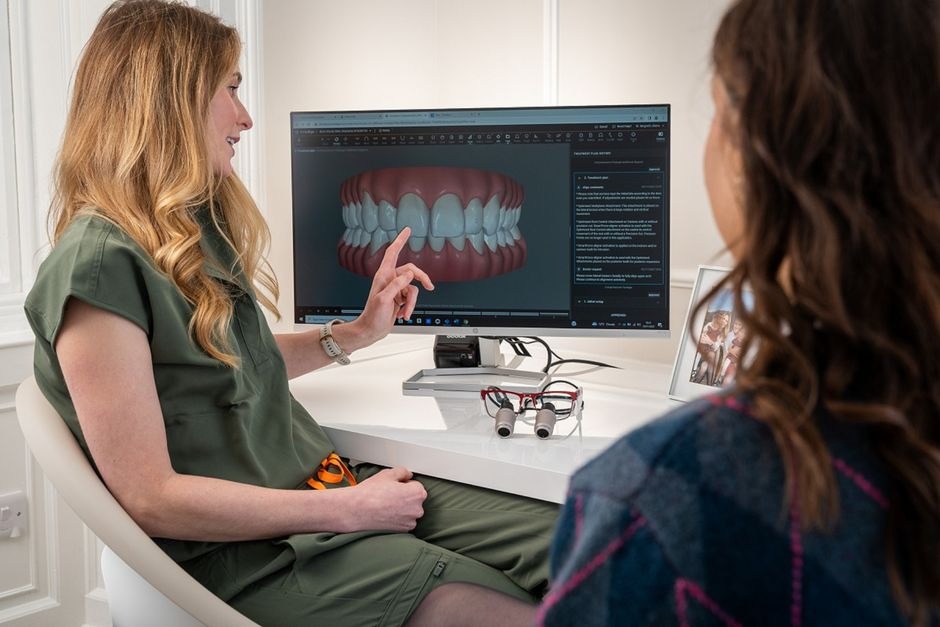
An initial consultation typically involves an examination and diagnostic records. Depending on the case, these may include photographs, X-rays, digital scans, or impressions. The orthodontist uses this information to assess alignment and bite concerns before recommending an appropriate treatment approach.
It can also help to look at examples of completed treatments. Browsing the Miller Orthodontic smile gallery gives prospective patients an opportunity to see before-and-after results across different types of orthodontic care. These examples can make potential changes easier to understand, although every patient’s teeth, bite, and treatment goals are different.
A useful consultation should leave you with a clear understanding of the proposed treatment, its estimated duration, expected appointments, and any responsibilities you will have at home. It is also the right time to ask about alternatives and discuss concerns before making a commitment.
Smile Photos Often Reveal More Than a Mirror Ever Will
People tend to notice their teeth in fragments when looking in a mirror. A photograph can provide a different perspective by showing how the smile looks from the front, how much of the teeth are visible, and how the lips and facial features frame the smile.
Orthodontic photographs can also help document progress. Images taken before treatment provide a reference point, while later photographs can show changes that may be difficult to notice from one day to the next.
However, photographs should not be used as the only measure of treatment success. A smile may look more aligned while bite-related concerns still need attention. The goal is to consider appearance alongside the way the teeth function.
Comparing progress over several months can also help patients remain patient. Tooth movement happens gradually, and small changes may become more noticeable when viewed across a longer period.
Braces and Aligners Change Daily Habits Faster Than You Expect
Starting orthodontic treatment introduces new routines. With traditional braces, brushing and flossing require extra attention because food particles can collect around brackets and wires. Patients may need to use specialized brushes or other cleaning tools to reach difficult areas.
Food choices may also change. Hard, sticky, and particularly chewy foods can damage brackets or wires, potentially interrupting treatment. Cutting certain foods into smaller pieces and following the orthodontist’s dietary guidance can help reduce avoidable problems.
Clear aligners involve a different set of responsibilities. They are removable, which makes eating and brushing more convenient, but they must be worn according to the orthodontist’s instructions. Forgetting to put them back in or wearing them inconsistently can affect progress.
The adjustment period can take some getting used to. Mild pressure or tenderness may occur after braces are fitted or adjusted, and aligners can feel unfamiliar at first. These experiences vary, so patients should discuss persistent or significant discomfort with their orthodontist.
The Middle of Treatment Is Where Patience Gets Tested
The excitement of beginning treatment can gradually give way to routine. Appointments become part of the calendar, oral hygiene takes more time, and visible progress may seem slower than expected.
This stage is important because orthodontic treatment depends on controlled, gradual tooth movement. Braces may need adjustments, while aligner patients may move through a planned series of trays. The orthodontist monitors how the teeth respond and makes changes when necessary.
Patients can help keep treatment on track by attending scheduled appointments, following instructions, and reporting problems promptly. A loose bracket, damaged wire, or lost aligner should not simply be ignored until the next routine visit.
The length of treatment varies according to individual needs. The complexity of the bite, the amount of movement required, and how consistently a patient follows the plan can all influence the timeline. The American Association of Orthodontists explains the different stages involved in how braces work, including consultation, fitting, adjustments, and retention.
It is worth remembering that progress is not always dramatic from one appointment to another. Consistency matters more than expecting a visible transformation every few weeks.
A Better Smile Is Also a Function and Maintenance Issue
Straighter teeth are an obvious benefit of orthodontic treatment, but alignment is not purely cosmetic. The way teeth meet can affect biting and chewing, and an orthodontic plan may address problems involving crowding, spacing, or an uneven bite.
That is why it is important to understand the goals of treatment beyond appearance. Patients should know which concerns the orthodontist intends to address and how progress will be assessed.
Good oral hygiene remains essential throughout the process. Brushing carefully, cleaning between teeth, and maintaining regular dental checkups help protect the teeth and gums while orthodontic appliances are in place.
Orthodontic treatment does not replace routine dental care. Cavities, gum inflammation, and other dental concerns still need appropriate attention. Keeping the mouth healthy supports the overall treatment process and helps protect the results.
The Day Braces Come Off Isn’t the End of the Process
Having braces removed is an exciting milestone, but it does not mean the teeth will automatically remain in their new positions. The tissues and bone surrounding the teeth need time to adapt after active treatment, and teeth can shift over time.
This is why retainers are an important part of orthodontic care. Depending on the individual case, an orthodontist may recommend a removable retainer, a fixed retainer, or another arrangement. The type and wearing schedule should be based on professional guidance.
The American Association of Orthodontists explains why retainers are necessary after orthodontic treatment. Following the recommended schedule helps maintain the alignment achieved during treatment.
Patients should also continue brushing, flossing, and attending routine dental appointments. If a retainer becomes damaged, uncomfortable, or stops fitting properly, contacting the orthodontist is better than trying to adjust it independently.
How to Judge Whether an Orthodontic Plan Fits Your Real Life
A suitable orthodontic plan should address your dental needs while taking your everyday responsibilities into account. Before beginning, consider the appointment schedule, treatment options, estimated duration, costs, and the level of daily care required.
For younger patients, parents may need to help maintain cleaning routines and ensure appointments are attended. Adults may need to consider work commitments, travel, and the practical differences between braces and aligners.
Ask the orthodontist to explain why a particular treatment is recommended and what alternatives may be appropriate. You should also understand what happens if progress differs from the original estimate or an appliance needs repair.
The best treatment decision is not necessarily the one that promises the quickest visible change. It is the one based on a careful assessment, realistic expectations, and a plan that supports both dental function and long-term results.
A successful smile journey takes time and cooperation. Understanding each stage—from the first consultation to wearing a retainer—can help you approach orthodontic treatment with greater confidence and maintain the results long after the braces come off.
