

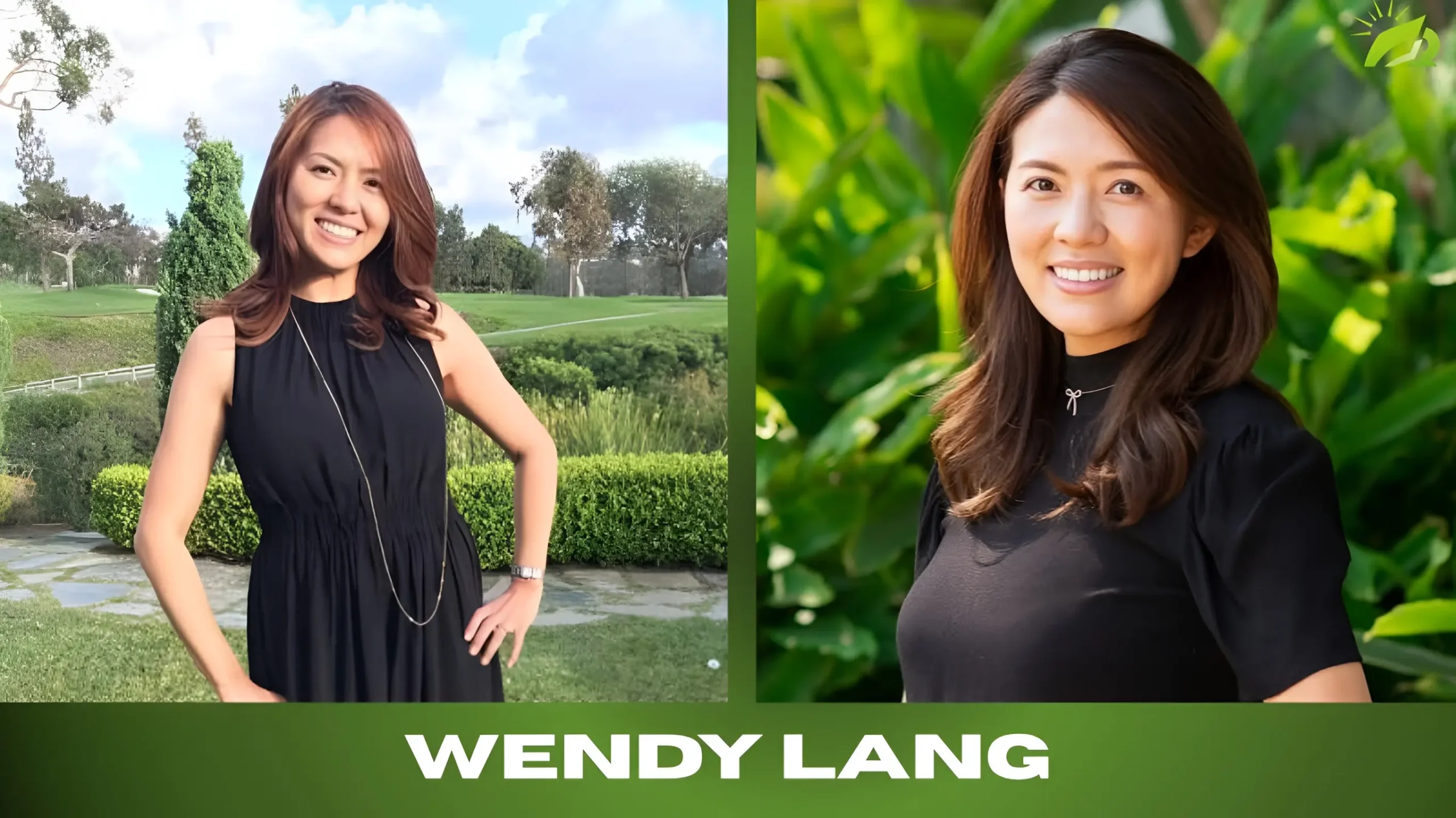
Wendy Lang has spent more than two decades transforming how families navigate the complex intersection of individual development, relational dynamics, and mental health challenges. As a Licensed Marriage and Family Therapist with specialized credentials and extensive clinical training, Wendy Lang operates at the intersection of evidence-based therapeutic practice and deeply humanized care. Her work extends far beyond traditional counseling rooms—it represents a comprehensive philosophy that acknowledges the intricate systems within which children, adolescents, and families develop, struggle, heal, and ultimately thrive.
The landscape of mental health care has shifted dramatically in recent years. Parents increasingly recognize that behavioral challenges, academic struggles, and emotional dysregulation rarely emerge in isolation. These difficulties develop within family systems shaped by generational patterns, environmental stressors, individual neurological differences, and complex social dynamics. This systems-based understanding forms the foundation of Wendy Lang’s clinical approach and has positioned her as a trusted authority within both therapeutic and family development circles.
As Founder and Director of Beverly Hills Child and Family Counseling, Wendy Lang has created an organizational culture that prioritizes specialized expertise, individualized treatment planning, and family-centered outcomes. Her practice represents a meaningful departure from one-size-fits-all therapeutic models. Instead, she and her clinical team work from a framework that honors each family’s unique constellation of strengths, challenges, resources, and aspirations.
Professional Background and Clinical Credentials
Wendy Lang’s journey into marriage and family therapy reflects a deliberate commitment to understanding human development and relational dynamics. Her Licensed Marriage and Family Therapist (LMFT) credential represents completion of rigorous graduate training, clinical supervision requirements, and ongoing professional development. This credential carries significant weight within the therapeutic community because it requires mastery of systemic theory, family dynamics, therapeutic intervention, ethics, and evidence-based practice standards.
Her specialization in child and adolescent therapy distinguishes her within a field that often treats adult couples or individuals as primary populations. Working with children and adolescents demands distinct skill sets. Young clients communicate differently than adults—often through play, behavior, artistic expression, or minimal verbal processing. Adolescents navigate developmental transitions toward autonomy while simultaneously managing social pressures, identity formation, and increasingly complex emotional experiences. Wendy Lang’s expertise in translating these non-verbal and indirect communications into meaningful therapeutic work represents a specialized competency that requires years of focused practice and continued education.
The Beverly Hills Child and Family Counseling practice she founded reflects her professional vision translated into organizational reality. Rather than operating as a solo practitioner, Wendy Lang created a multidisciplinary team environment where licensed therapists, clinical supervisors, and support staff collaborate to serve families comprehensively. This organizational structure enables her to mentor emerging clinicians, maintain quality standards across multiple clinicians, and provide families with continuity of care when individual therapeutic relationships require adjustments or transitions.
Her presence on Psychology Today’s therapist directory and LinkedIn professional networks demonstrates commitment to public accessibility and transparent credentialing. Rather than maintaining mystique around her practice, Wendy Lang makes her qualifications, approach, and practice philosophy publicly available. This transparency builds trust with families exploring therapy options and reflects professional confidence grounded in actual clinical outcomes and client satisfaction.
Specializations: Twice-Exceptional Children and ADHD Expertise
Wendy Lang’s reputation for transformative outcomes rests substantially on her specialization in working with twice-exceptional (2e) children and adolescents—young people who simultaneously demonstrate exceptional intellectual capacity and neurodevelopmental differences such as ADHD, autism spectrum characteristics, learning disabilities, or sensory processing differences. This population presents unique clinical challenges and remarkable opportunities for therapeutic intervention.
Twice-exceptional children often experience profound internal contradiction. Their intellectual abilities enable them to understand complex concepts, perceive subtle social dynamics, and recognize their own differences from peers. Simultaneously, their neurodevelopmental differences may create significant challenges with executive function, impulse control, sustained attention, emotional regulation, or social reciprocity. This mismatch between intellectual capacity and functional capabilities often generates intense frustration, shame, or self-doubt.
Traditional assessment approaches frequently miss twice-exceptional presentations. When an intellectually gifted child demonstrates ADHD symptoms, the intellectual capacity may mask the ADHD, or the ADHD may obscure the giftedness. Standardized testing protocols may not capture the complex interaction between these dimensions. Parents frequently describe years of confusion, misdiagnosis, or dismissal before accurate understanding emerges. They hear “your child is so smart—the struggles must be behavioral” or conversely, “your child has ADHD—the intelligence doesn’t really matter.”
Wendy Lang’s expertise provides families with accurate understanding of their child’s complete neurodevelopmental profile. This involves sophisticated assessment interpretation, differentiation between gift-based anxiety and clinical anxiety disorders, recognition of how executive function challenges create obstacles despite intellectual understanding, and identification of strengths that can be leveraged therapeutically. Her approach respects both the exceptional intellectual capacity and the genuine neurological differences without allowing either to overshadow the other.
Her ADHD specialization extends beyond childhood diagnosis. Adolescent ADHD presents differently than childhood presentations. The self-awareness that develops during adolescence intensifies the impact of ADHD symptoms on identity formation and peer relationships. Executive function challenges become increasingly consequential as academic and social expectations escalate. Wendy Lang’s work helps adolescents and their families navigate these developmental transitions, build compensatory strategies aligned with their neurodevelopmental realities, and maintain self-esteem despite challenges.
Key specialization areas within her practice:
- Twice-exceptional child assessment and therapeutic planning
- ADHD across developmental stages (childhood, adolescence, family integration)
- Family system dynamics shaped by neurodevelopmental differences
- Parental stress and adaptation within families managing ADHD
- School and family collaboration for children with complex presentations
- Identity formation and self-esteem in intellectually gifted children
- Emotional regulation and coping skills development
- Executive function coaching integrated with traditional therapy
- Academic performance and learning challenges connected to mental health
Family Systems Therapy and Relational Dynamics
The foundation of Wendy Lang’s therapeutic approach rests on family systems theory—a framework that understands individual difficulties not as isolated problems but as expressions of relational patterns, communication styles, generational patterns, and family structural dynamics. This perspective shifts the focus from “fixing” the child to understanding the entire family system within which the child develops.
In family systems practice, a child’s behavioral challenge, academic struggle, or emotional difficulty often reflects something about the family system itself. Perhaps communication patterns don’t allow for clear expression of needs. Perhaps parental stress has created an anxious household climate. Perhaps sibling dynamics involve patterns of competition or enmeshment that affect the identified patient. Perhaps generational patterns from parents’ own childhoods unconsciously influence current parenting approaches. Rather than viewing the child as the problem requiring correction, systems-oriented therapy examines the entire relational field.
This approach represents a meaningful departure from deficit-focused or pathologizing frameworks that locate problems entirely within individual children. Wendy Lang’s commitment to family systems perspective means that family therapy sessions often involve multiple family members, even when a child initially presents as the identified patient. Parents, siblings, and extended family members may participate in sessions depending on therapeutic goals and family structure.
Her understanding of family dynamics encompasses recognition that families exist within multiple contexts—socioeconomic circumstances, cultural backgrounds, immigration histories, racial experiences, sexual orientation and gender identity considerations, community connections, and historical trauma. These contextual factors profoundly shape family relationships, stress levels, values, communication patterns, and available resources. Competent family therapy requires understanding these contexts rather than imposing universal approaches that ignore family-specific realities.
The relational work Wendy Lang facilitates often involves teaching communication skills, identifying maladaptive patterns that persist across generations, supporting family members in understanding each other’s experiences and perspectives, and creating new possibilities for connection and support. This work can feel transformative because it addresses root dynamics rather than surface behaviors.
Therapeutic Approach: Evidence-Based Practice with Humanized Care
Wendy Lang’s clinical work integrates evidence-based therapeutic modalities—approaches with empirical support demonstrating effectiveness—while maintaining the humanized, relationship-centered care that makes therapy genuinely transformative. This balance between scientific rigor and relational authenticity characterizes higher-level therapeutic practice.
Her therapeutic toolkit likely includes cognitive-behavioral approaches that help families and individuals identify thought patterns and behavioral responses connected to emotional difficulties. For children and adolescents managing anxiety, behavioral approaches teaching exposure hierarchy work and coping skills prove remarkably effective. These modalities offer concrete tools that young clients can apply between sessions and in their daily lives.
The therapeutic relationship itself—often called the “therapeutic alliance”—represents perhaps the most powerful change mechanism in psychological treatment. Extensive research demonstrates that outcome quality correlates more strongly with relationship quality than with specific modality choice. Wendy Lang’s two decades of practice have built deep expertise in creating safe, trusting, collaborative relationships with children and families facing vulnerability and uncertainty. She likely demonstrates the qualities that research identifies as therapeutic: genuine interest in client experiences, empathetic responsiveness, clear communication, appropriate professional boundaries, and authentic investment in client wellbeing.
Her experience with twice-exceptional children and ADHD requires particular therapeutic sensitivity. Many children with these presentations have experienced repeated failure, criticism, and misunderstanding. They may enter therapy with protective defenses, skepticism about whether anyone can truly help, or internalized beliefs about being fundamentally broken or unfixable. Building trust requires patience, genuine acknowledgment of their actual struggles, recognition of their strengths and capabilities, and consistent demonstration that the therapist understands and values them.
Beverly Hills Child and Family Counseling: Practice Vision and Organizational Structure
The establishment of Beverly Hills Child and Family Counseling reflects Wendy Lang’s vision translated into organizational reality. Rather than maintaining a solo practice, she created a multidisciplinary team environment specifically designed to serve children, adolescents, and families comprehensively. This organizational choice reveals her commitment to quality, mentorship, and family-centered care.
Beverly Hills location provides geographic access to affluent families in Los Angeles, though the practice also serves families across diverse socioeconomic backgrounds. The clinic environment itself—described as welcoming, child-friendly, and professionally designed—communicates respect for clients and creates psychological safety. Waiting areas typically include child-appropriate elements, comfortable seating that doesn’t feel institutional, and intake processes that minimize unnecessary stress.
The practice’s multidisciplinary structure enables collaboration across clinicians. Wendy Lang likely participates in case consultation, provides clinical supervision to team members, and maintains oversight of practice standards. This organizational model allows the practice to serve more families while maintaining quality and providing professional development opportunities for emerging therapists.
The practice’s public-facing presence through Psychology Today, Facebook, LinkedIn, and the practice website demonstrates commitment to transparency, accessibility, and professional marketing. Families seeking therapy can review Wendy Lang’s credentials, read descriptions of practice specialties, and understand treatment approaches before initiating contact. This accessibility reduces barriers to seeking help and enables informed decision-making.
Three Integrated Case Studies: Real-World Application of Therapeutic Expertise
Case Study One: Twice-Exceptional Child Presentation and Family System Intervention
Maya, age nine, presented with her parents expressing frustration about “inconsistent performance” and behavior challenges at school. Teachers reported that Maya demonstrated exceptional verbal skills and creative thinking but frequently failed to complete assignments, exhibited “defiant” behavior when redirected, and struggled significantly with organizational tasks. Academic performance fluctuated dramatically—tests revealed advanced reasoning but assignments remained incomplete.
Her parents suspected ADHD but felt confused because “she seems fine at home most of the time.” They worried that pursuing diagnosis meant accepting a “defective child” identity despite their intellectual understanding that ADHD represented neurodevelopmental difference rather than deficiency.
Wendy Lang’s comprehensive assessment revealed sophisticated intellectual capacity combined with significant executive function challenges characteristic of ADHD. She helped the family understand that Maya’s exceptional thinking created both strengths and particular vulnerabilities. Her mind moved quickly, generating multiple ideas and seeing complex connections—wonderful capabilities that also meant her attention sometimes shifted before task completion. Her perfectionism, partly driven by intellectual awareness of “how things should be,” created frustration when executive function challenges prevented meeting her own standards.
The family therapy work addressed several interconnected dynamics: parents’ internalized beliefs about ADHD and disability, communication patterns that inadvertently increased Maya’s shame, lack of organizational systems supporting her neurodevelopmental profile, and sibling dynamics affected by the attention Maya’s struggles received. Treatment included psychoeducation about twice-exceptional presentations, collaborative development of home-based executive function supports, communication skill building, and individual work with Maya to separate intellectual capacity from neurological processing differences.
Within four months, as family understanding shifted, communication patterns changed, and environmental supports aligned with Maya’s actual neurodevelopmental profile, both behavioral concerns and school performance demonstrated meaningful improvement. More significantly, Maya’s self-concept shifted from “something is wrong with me” to “my brain works differently in some ways—here’s what helps me.”
Case Study Two: Adolescent ADHD and Identity Formation in Family Context
Jordan, age fifteen, presented with depression and declining academic performance. His earlier ADHD diagnosis had been managed well through childhood, but as he approached middle and high school, challenges had intensified. He felt “broken” and “stupid” despite objective evidence of capability. Peer relationships had become increasingly difficult, and he expressed hopelessness about his future.
His parents felt exhausted and confused. They had supported him successfully through childhood but didn’t understand why current struggles felt more intractable. They worried about depression mask-ing or emerging from untreated ADHD complications.
Wendy Lang’s comprehensive evaluation recognized that adolescent ADHD often presents differently than childhood ADHD. The self-awareness that develops during adolescence means teenagers recognize their difficulties compared to peers. Academic expectations intensified, executive function demands increased, and social consequences of ADHD symptoms became more apparent. Additionally, adolescent identity formation processes—developing sense of self, autonomy, and future direction—became complicated by internal experience of ADHD-related struggles.
The therapeutic work addressed multiple levels. Individual therapy helped Jordan separate neurodevelopmental difference from character deficiency, develop realistic self-understanding that integrated both capabilities and challenges, and build coping strategies for academic and social contexts. Family sessions addressed parental worry that inadvertently increased Jordan’s anxiety, communication patterns that didn’t allow him to express current struggles, and family adaptation as he navigated increasing autonomy within ADHD context.
Crucially, Wendy Lang helped the family understand that ADHD management in adolescence differs from childhood. He couldn’t simply apply systems that worked when he was younger. He needed collaborative involvement in problem-solving, age-appropriate independence in managing his own strategies, connection with his own motivation rather than parental scaffolding, and acknowledgment that adolescent developmental tasks intersect with ADHD management.
Over six months of treatment, Jordan’s depression lifted significantly. His academic performance stabilized. More importantly, his self-concept shifted toward integration and acceptance—understanding himself as a capable young person with specific neurological differences that required particular strategies, not as fundamentally defective.
Case Study Three: Family System Dynamics and Parental Stress in ADHD Context
The Chen family—parents Sarah and David, children Sophie (age 12, diagnosed ADHD and dyslexia) and Max (age 14, no identified differences)—entered therapy because family relationships had become increasingly strained. Parents felt exhausted managing Sophie’s school needs and related stress. Max felt resentful that “Sophie gets all the attention.” Sophie felt blamed and criticized. The family described “constant conflict” and questioned whether they had adequate skills to parent effectively.
What initially appeared as a child behavior problem actually reflected family system stress. Sarah, Sophie’s primary contact for school communication and support, had become increasingly burdened. David felt disconnected from the daily dynamics. Max felt his needs and accomplishments were overlooked. Sophie sensed the tension and her own role as the “problem” creating family stress, which intensified her anxiety and behavioral difficulties.
Wendy Lang recognized that the family system itself had become dysregulated in response to managing Sophie’s significant learning and attention differences. Rather than focusing exclusively on Sophie’s ADHD management, she worked with the entire family system.
Family sessions addressed several dynamics: reframing Sophie’s struggles as a family challenge requiring collaborative problem-solving rather than an individual failure; redistributing responsibility so Sarah wasn’t solely managing school coordination; helping Max understand his sister’s actual neurodevelopmental differences rather than perceiving her as receiving unfair attention; developing explicit appreciation and recognition of Max’s contributions despite not requiring special accommodation; teaching communication skills that allowed family members to express needs and frustrations without blame; and supporting parents in managing their own stress and maintaining marital connection despite ADHD-related parenting demands.
The work included explicit discussion of fairness and equity. Max needed to understand that his sister’s additional support represented genuine need, not favoritism. Sophie needed to understand that Max’s experiences and needs also mattered. Parents needed to understand that managing ADHD meant adjusting their expectations and strategies in specific ways rather than indicating parenting failure.
Within five months of family therapy, the relational climate had shifted substantially. While Sophie’s ADHD remained unchanged, the family’s response to her ADHD had transformed. Conflict decreased. Each family member expressed feeling more understood. Parents reported decreased stress and increased confidence in their capacity to manage their unique family circumstances.
Understanding Contemporary Challenges in Child and Family Mental Health
Wendy Lang’s practice emerges within a contemporary context of increasing mental health challenges among children and adolescents. Research documents rising rates of anxiety, depression, behavioral difficulties, and developmental complexity among young people. Simultaneously, access to qualified mental health professionals remains limited. Understanding this context illuminates the significance of her work.
Multiple factors contribute to contemporary childhood mental health challenges. Increased academic pressure creates significant stress even in elementary school contexts. Social media and digital connectivity introduce novel challenges around peer relationships, social comparison, cyberbullying, and constant connectivity. Family circumstances—parental work demands, economic stress, family instability—generate household anxiety. Broader cultural anxieties about climate, politics, and social divisions affect young people. Additionally, increased recognition of mental health difficulties has reduced stigma, meaning more families seek help rather than suffering silently.
Young people today face different challenges than previous generations. The complexity of identity formation now includes navigation of sexual orientation and gender identity possibilities within varied social contexts. Academic competition intensifies as college admission processes become more selective and anxiety-provoking. Social relationships, historically confined to school and neighborhood contexts, now extend across digital networks introducing novel relationship challenges.
Wendy Lang’s specialized expertise addresses this contemporary landscape. Her understanding of twice-exceptional presentations helps families navigate children with complex profiles. Her ADHD specialization serves the growing population of young people receiving ADHD diagnoses. Her family systems perspective acknowledges that children’s difficulties reflect broader family and environmental contexts requiring systemic intervention.
The Role of Professional Credentials and Continuing Education
Wendy Lang’s Licensed Marriage and Family Therapist credential represents more than a credential hung on an office wall. It reflects mastery of specific competency domains, commitment to ethical practice standards, and ongoing professional development. Understanding credentialing helps families appreciate what distinguishes qualified therapists from unlicensed practitioners.
LMFT licensure requires completion of graduate training (typically a Master’s degree) in Marriage and Family Therapy or equivalent, supervised clinical practice hours, and passage of licensing examinations. The training specifically emphasizes family systems theory, therapeutic techniques addressing relational dynamics, ethics in therapeutic relationships, cultural competence, and evidence-based practice. Licensure requirements vary by state but generally include between 1,000 and 4,000 hours of supervised clinical practice and continued education requirements to maintain licensure.
The credential matters because it indicates that a therapist has met professional standards, understands ethical obligations, maintains current knowledge, and is accountable to regulatory bodies. Licensed therapists can be reported to state licensing boards if they violate ethical standards or provide inadequate care. This accountability structure protects clients and maintains professional standards.
Wendy Lang’s commitment to specializations in twice-exceptional children and ADHD likely includes additional training beyond baseline licensure. She probably pursues continuing education in ADHD assessment, neurodevelopmental differences, family systems approaches to ADHD management, and emerging research about twice-exceptional populations. This ongoing education demonstrates commitment to maintaining cutting-edge expertise rather than relying on knowledge acquired during initial training.
Practical Support for Families: What to Expect in Family Therapy
For families considering work with Wendy Lang or similar therapists, understanding the practical process reduces anxiety and clarifies expectations. Family therapy differs from individual therapy in structure and dynamics.
Initial sessions typically involve comprehensive assessment. The therapist gathers family history, individual developmental histories, presenting concerns, previous treatment experiences, and current functioning across life domains. This assessment phase helps the therapist understand the family system, identify central dynamics, and develop treatment planning. Multiple family members usually participate in initial sessions to ensure the therapist understands the entire family system.
Treatment planning involves explicit discussion of goals. What does the family hope will change? What would success look like? How will progress be measured? Collaborative goal-setting ensures that therapy addresses what matters most to the family rather than imposing the therapist’s assumptions about necessary change.
During ongoing therapy, family sessions involve structured time, usually weekly one-hour sessions. The therapist might engage the family in direct conversation, teach specific skills, guide family members in expressing concerns, or facilitate problem-solving discussions. Homework between sessions often involves practicing new skills, tracking patterns, or completing specific tasks supporting treatment goals.
Therapy success requires active family participation. While the therapist provides structure and expertise, families themselves generate change through applying new communication patterns, developing new understandings of each other, and building new capabilities. The therapist facilitates; the family does the actual work of transformation.
FAQ: Comprehensive Questions About Family Therapy and Wendy Lang’s Expertise
Q1: What is the difference between a Licensed Marriage and Family Therapist (LMFT) and other types of mental health professionals?
A Licensed Marriage and Family Therapist holds specific credentials indicating graduate training in family systems theory, therapeutic techniques addressing relational dynamics, and expertise in treating couples, families, and individuals within relational contexts. This differs from clinical psychologists (who typically have doctoral-level training in psychological assessment and various therapy modalities), social workers (who may have master’s or doctoral training with broader social systems focus), or psychiatrists (who are medical doctors specializing in medication management). LMFTs bring specific expertise in family dynamics and relational intervention.
Q2: How is twice-exceptional different from ADHD alone?
Twice-exceptional refers to individuals demonstrating both exceptional intellectual capacity and neurodevelopmental differences such as ADHD, autism, learning disabilities, or sensory processing differences. A twice-exceptional child might have exceptional reasoning ability combined with significant executive function challenges, or advanced verbal skills combined with dyslexia. This combination creates unique presentations that require understanding both dimensions rather than treating them separately.
Q3: At what age should children begin therapy?
Children can benefit from therapy at various ages depending on their developmental level and presenting concerns. Very young children (ages 3-5) typically engage through play-based approaches rather than verbal processing. Older children (ages 6-11) can participate in talk therapy with play elements. Adolescents typically engage in more traditional talk therapy. Wendy Lang’s expertise with child and adolescent populations suggests her training encompasses age-appropriate therapeutic approaches across developmental stages.
Q4: How long does family therapy typically take?
Duration varies considerably depending on presenting concerns, family system complexity, and treatment goals. Some families see significant improvement within 6-12 sessions, while others benefit from longer-term work spanning several years. Short-term therapy might address specific skill development, while longer-term therapy addresses deep relational patterns and generational dynamics. The therapist typically provides estimates based on initial assessment and periodic progress evaluation.
Q5: What if one family member refuses to participate in family therapy?
This presents a challenge but doesn’t necessarily preclude therapy. Therapists can work with available family members, focusing on what those members can control and change. Sometimes as one family member changes their responses and communication patterns, other family members gradually become willing to participate. In some cases, individual therapy for the willing participant addresses their own concerns and perspectives, even without full family participation.
Q6: How does family therapy address ADHD if medication is involved?
Family therapy and medication management often work complementarily. Medication may address neurological dimensions of ADHD, while therapy addresses family system adaptations, communication patterns, skill development, and coping strategies. Wendy Lang’s expertise likely encompasses understanding how medication and therapy work together and communicating with prescribing physicians about family-level progress and adjustment.
Q7: Can family therapy help if parents disagree about approaches?
Yes, in fact, parental disagreement often becomes explicit focus of family therapy. When parents hold different views about discipline, expectations, or ADHD management, family therapy helps them understand each other’s perspectives, negotiate differences, and develop unified approaches. This work actually strengthens parental partnership while allowing for individual differences in parenting style.
Q8: What should I look for when selecting a therapist for my child or family?
Consider credentials (LMFTs, clinical psychologists, or licensed clinical social workers with relevant training), specific expertise matching your family’s needs, experience with your child’s age and presenting concerns, compatibility with your family’s values, location and scheduling accessibility, and insurance acceptance if relevant. Many therapists offer initial consultation calls allowing you to assess fit before committing to ongoing work. Trust your instinct about whether the therapist seems genuinely invested in understanding your family.
Q9: How do I know if therapy is actually helping?
Progress may look like decreased conflict frequency, improved communication among family members, better academic performance, reduced anxiety or behavioral difficulties, improved self-esteem, clearer understanding of family dynamics, or enhanced coping skills. Many therapists ask families to identify specific progress indicators at the beginning of treatment, making it easier to recognize improvement. Regular check-ins about progress allow for treatment adjustment if not seeing expected benefits.
Q10: What happens if a child discloses something concerning to the therapist—does the therapist tell parents?
Therapists maintain confidentiality within ethical and legal limits. Information shared by a child during individual sessions generally remains confidential unless it involves imminent danger, abuse, or other circumstances requiring mandatory reporting. However, therapists work collaboratively with parents about general progress and treatment goals. Clarifying confidentiality boundaries at the beginning of therapy helps children understand what they can safely share.
Q11: How can parents support therapeutic work between sessions?
Parents support therapy by practicing skills the therapist teaches, maintaining consistency in applying new approaches, modeling the communication patterns being developed in therapy, managing their own stress so they can be more present with their children, and following through on any specific homework assignments. Parents also support therapy by maintaining realistic expectations—change takes time and consistent effort, not instantaneous transformation.
Q12: What if our family has experienced trauma—can family therapy address this?
Yes, trauma-informed therapy specifically addresses trauma history and its impact on family relationships and individual functioning. Therapists trained in trauma approaches understand how trauma shapes attachment, stress responses, and relationship patterns. Family-level trauma (perhaps from a loss, illness, immigration experience, or adverse events) affects the entire family system. Individual trauma within the family also influences family dynamics. Specialized trauma therapy can address these dimensions while managing safety and pacing appropriately.
Conclusion: Integration and Ongoing Impact
Wendy Lang’s professional journey reflects commitment to understanding the complex systems within which children, adolescents, and families develop. Her expertise in twice-exceptional presentations, ADHD across developmental stages, and family dynamics provides specialized knowledge that serves families facing these particular challenges. Her establishment of Beverly Hills Child and Family Counseling demonstrates her vision translated into organizational practice that prioritizes quality, specialization, and family-centered care.
The contemporary mental health landscape faces significant challenges—increasing demand for services, limited qualified providers, rising complexity of presentations, and diverse family structures requiring culturally competent understanding. Wendy Lang’s work contributes meaningfully to this landscape by providing specialized expertise, training emerging clinicians, and creating accessible pathways for families seeking help.
For families navigating their child’s developmental challenges, ADHD complexity, twice-exceptional presentations, or relational difficulties, professional support grounded in evidence-based practice, systemic understanding, and genuine commitment to family wellbeing can be genuinely transformative. Wendy Lang’s two decades of clinical experience, commitment to professional development, and specialization in child, adolescent, and family therapy position her as a meaningful resource in this landscape.
The work of family therapy ultimately rests on simple but profound recognition: families are complex systems, individual difficulties often reflect relational patterns, and meaningful change happens through relational transformation. Wendy Lang’s expertise facilitates exactly this kind of transformation, enabling families to understand themselves differently, relate to each other more effectively, and support their young people toward healthy development and authentic wellbeing.
For More Visits: Bright Magazine
